Classic of the Way and Virtue
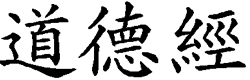
By Lao Tzu (Laozi)
Green Way Research, Valley Spirit Center, Gushen Grove Notebooks, Vancouver, Washington
Chapter 74 Chapter 76 Index to All the Chapters Taoism Cloud Hands Blog
Classic Book (Ching) about the Tao (Way, Nature, Patterns, Processes) and Te (Virtue, Potency, Power, Integrity, Wise Person, Sage)
Indexing, Concordance, Search Terms, Topics, Themes, Keys
English and Chinese (Wade-Giles) Terms:
Harmed Through Greed, Starving (chi) People (min), Famine, Excessive Taxes,
Seeking or Striving (ch'iu), Don't Worry About Death, Eat (shih),
Be Disinterested, Not or Without or Nothing (wu), Less Bad Government (chih) is Better,
Worthy or Good (hsien),
Injury from
Covetousness,
Lightly or Frivolous (ch'ing), Ruling
Classes,
Officials or Authorities (shang), Taxes or Levy (shui),
Not Striving, Acting or Meddling (wei), Esteem or Honor (kuei), Avoid an Excessive Interest in
Daily Affairs, Difficult or Hard (nan), Death (ssu), Poor, Truth (fu),
Impoverished, Life or Living (shêng), Work, Exemplars, Intensity and Vigor (hou), 貪損
Términos en Español: La Gente Hambrienta, Hambre, Excessivos,
Impuestos,
Buscando, Muerte, Comida, No Tiene
Interés, Sin, Nada, Menos Mal
Gobierno, Mejor, Dingo, Bueno, Codicia, Frívolo,
Gobernantes, Funcionarios, Autoridades, Sin
Esfuerzo, Actuar, Estima, Honor,
Dificil, Duro, Verdad, Empobrecida, Vida, Trabajo Ejemplares, Intensidad, Vigor.
Electronic Concordance for Chapters 1 - 81 of the Tao Te Ching
English Language Translations of the Tao Te Ching
"The people starve because those above them eat too much
tax-grain.
That is the only reason why they starve.
The people are difficult to keep in order because those above them interfere.
That is the only reason why they are so difficult to keep in order.
The people attach no importance to death,
Because those above them are too grossly absorbed in the pursuit of life.
That is why they attach no importance to death.
And indeed, in that their hearts are so little set on life
They are superior to these who set store by life."
- Translation by
Arthur Waley,
Chapter 75
"The people are starving,
Because he takes too much grain tax,
Hence, they are starving.
The hundred family names are unruly,
Because their sovereign has the intention to act,
Hence, they are unruly.
The people take death lightly,
Because he seeks after extravagant living,
Hence, they take death lightly.
Only one who does not apply himself to living
Is worthier than those who exalt living."
- Translated by
Chichung Huang, Chapter 75
"Starvation among the people comes from how much
taxes-in-kind those above them 'eat'.
From this: they starve.
The difficulty in governing people comes from those above them taking deeming-action.
From this: they are difficult to govern.
People take death lightly because those above them seek life's richness.
From this they take death lightly.
In general: only those who don't deem-act using 'life' --these are worthies
at valuing life."
- Translated by
Chad Hansen, Chapter 75
"If the people starve, it is because those above them tax their livelihood too heavily.
That is why they starve.
If the people are unruly,
It is because those above them are too Active.
That is why they are unruly.
If the people take death lightly, it is because they seek life's bounty.
That is why they take death lightly.
Those who live life without striving are exemplars of valuing life."
- Translated by
Tam C. Gibbs, 1981, Chapter 75
"People go hungry because taxes eat their food.
Therefore, the people go hungry.
People are hard to manage because they are oppressed.
Therefore, they are hard to manage.
People laugh at death because their lives are cheapened
With the weight of expectation.
This is why they laugh at death.
Who could value life
When food is scarce, and freedom repressed?"
- Translated by
Brian
Donohue, 2005, Chapter 75
"The hunger of the people
Is from their superiors eating up so much of their tax grain
This is behind the hunger
The difficulties in governing the people
Are due to their superiors having to take action
This is behind the difficulties in government
The people come to take death lightly
Because they pursue life’s riches
This is behind their taking death lightly
Only when one does not think life a performance
Will there be skill in valuing life."
- Translated by
Bradford Hatcher,
2005, Chapter 75

Created by Michael P. Garofalo, Green Way Research, Valley Spirit Center, Gushen Grove Notebooks, Vancouver, Washington © 2020 CCA 4.0
 By Hu Xuzehi
 Annotated translation by Victor Mair
  By Ha Poong Kim
 By Hans-Georg Moeller
  By Roger T. Ames and David T. Hall
 By Wes Burgess
 By Arthur Waley
"Starvation of a people comes when an official
appropriates to himself too much of the taxes.
The reason a people are difficult to govern is because the officials are too
meddlesome;
the people make light of death because they are so absorbed in
life's interests.
The one who is not absorbed in life is more moral than he who esteems life."
- Translated by
Dwight Goddard,
1919, Chapter 75
"If you require many concessions from children, they
won’t be able to fulfill their own hearts.
Give them many rules to follow and they will rebel.
When people outwardly value life, death is taken lightly.
If death is taken lightly, life will easily be sacrificed."
- Translated by
David Bullen,
Chapter 75
"Why are the people starving?
Because their rulers devour too much in taxes.
That's why they starve.
Why are the people rebellious?
Because their rulers can't stop interfering.
That's why they rebel.
Why do the people make light of death?
Because they are intent on life.
That's why they make light of death.
Yet those who do not strive to live
are wiser than those who value life."
- Translated by
Tim Chilcott,
2005, Chapter 75
"The people suffer from famine because of the multitude of taxes consumed by
their superiors.
It is through this that they suffer famine.
The people are
difficult to govern because of the excessive agency of their superiors in
governing them.
It is through this that they are difficult to govern.
The
people make light of dying because of the greatness of their labours in
seeking for the means of living.
It is this which makes them think light of
dying.
Thus it is that to leave the subject of living altogether out of view
is better that to set a high value on it."
- Translated by
Andre von Gauthier, Chapter 75
"When people are starving, it is because their governments take too much, causing hem to starve.
When people are hard to control, it is because of the contrivances of their governments, which make them hard to control.
When people slight death, it is because of the earnestness with which
they seek life;
that makes them slight death.
Only those who do not
contrive to live are wise in valuing life."
- Translated by
Thomas Cleary, 1991, Chapter 75
 By Alexander Simkins.
  By Derek Lin.
 By Ming-Dao Deng.
 By Benjamin Hoff.
 By Ming-Dao Deng.
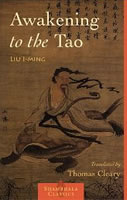
 Translated by Thomas Cleary.


" 'The people are starving.' It is because those
high up eat too much tax grain, this is why they are starving.
'The people are hard to govern.' It is because there is Working among those high
up, this is why they are hard to govern.
'The people take death lightly.' It is because they pursue a lavish life, this
is why they take death lightly.
Simply: Those who do not Work at 'living' - these are better men than those who
'love life.' "
- Translated by
Michael LaFargue,
1992, Chapter 75
A Chinese Language Version of Chapter 75 of the Tao Te
Ching by Lao Tzu
A
note
on my style of displaying the Chinese characters of the Tao Te Ching
民之飢, 以其上食稅之多, 是以飢.
民之難治, 以其上之有為, 是以難治.
民之輕死, 以其求生之厚, 是以輕死.
夫唯無以生為者, 是賢於貴生.
- Chinese characters, Tao Te Ching, Chapter 75
min chih chi, yi ch'i shang shih shui chih, to shih yi
chi.
min chih nan chih, yi ch'i shang chih yu wei, shih yi nan chih.
min chih ch'ing ssu, yi ch'i ch'iu shêng chih hou, shih yi ch'ing ssu.
fu wei wu yi shêng wei chê, shih hsien yü kuei shêng.
- Wade-Giles (1892) Romanization, Tao Te Ching, Chapter 75
Audio
Version in Chinese of Chapter 75 of the Tao Te Ching
min zhi ji, yi qi shang shi shui zhi, duo shi yi ji.
min zhi nan zhi, yi qi shang zhi you wei, shi yi nan zhi.
min zhi qing si, yi qi shang qiu sheng zhi hou, shi yi qing si.
fu wei wu yi sheng wei zhe, shi xian yu gui sheng.
- Hanyu Pinyin (1982) Romanization, Daodejing, Chapter 75
Tao Te Ching in Chinese characters and English (includes a word by word key) from YellowBridge
Tao Te Ching in Chinese characters, Hanyu Pinyin (1982) Romanization, English and German by Dr. Hilmar Alquiros.
Laozi Daodejing: Chapters with Chinese characters, seal script, detailed word by word concordance, Pinyin (tone#), German, French and English.
Chinese and English Dictionary, MDGB
Dao De Jing Wade-Giles Concordance by Nina, Dao is Open
Dao De Jing English and Wade-Giles Concordance by Mike Garofalo
Tao Te Ching in Pinyin Romanization with Chinese characters, WuWei Foundation
Tao Te Ching in Pinyin Romanization
Tao Te Ching in Chinese characters and English
Tao Te Ching in Chinese characters, English, Word by word analysis, Zhongwen
Tao Te Ching: The Definitive Edition
Tao Te Ching in Chinese characters: Big 5 Traditional and GB Simplified
Chinese Characters, Wade-Giles and Pinyin Romanizations, and 16 English Translations for Each Chapter of the Daodejing by Mike Garofalo.
Tao Te Ching in Chinese characters, Wade-Giles and Pinyin Romanization spellings, English; a word for word translation of the Guodian Laozi Dao De Jing Version.
Lao Zi's Dao De Jing: A Matrix Translation with Chinese Text by Bradford Hatcher.
"The people suffer from famine because of the multitude
of taxes consumed by their superiors.
Because of this they suffer from famine.
The people are difficult to govern because of the officiousness of their
superiors; because of this they are difficult to govern.
Men are continually dying because they lust after life; because of this they
frequently die.
It is only those with whom life is no object who truly value life."
- Translated by
C. Spurgeon Medhurst,
1905, Chapter 75
 Translation and elucidation by Hua Ching Ni
 Translated by Brian Walker
 Translated by Arthur Waley
 Translated by Lionel and and Herbert Giles
 By Eva Wong
"When the nation is in want of food, it can be seen that
the government officials are eating too much of the grain in excessive taxes.
And why are the people restive and hard to govern?
They are in a state of near rebellion due to the intrusive machinations of the
government.
The people learn to make light of death when they strive to obtain goods and
extravagant items.
They are relentlessly working to acquire more, and look to death as a release
from pursuit of material gain.
In this wise it is easy to not place too high a price on life."
- Translated by
John Dicus, 2002,
Chapter 75
"The people’s starving
Is because of their superior’s consumption of too many taxes.
Thus the starvation.
The people’s difficulty to govern
Is because of their superior’s possessive governing.
Thus the difficulty to govern.
The people’s reckless deaths
Are because of their seeking the thickness of life.
Thus the reckless deaths.
Only those who do not use life to contrive
Are indeed skilled at valuing life."
- Translated by
Aalar Fex, 2006, Chapter 75
"If the people starve, it is because those above them
tax their livelihood too heavily.
That is why they starve.
If the people are unruly,
It is because those above them are too Active.
That is why they are unruly.
If the people take death lightly, it is because they seek life's bounty.
That is why they take death lightly.
Those who live life without striving are exemplars of valuing life."
- Translated by
Tam Gibbs, Chapter
75
Created by Michael P. Garofalo, Green Way Research, Valley Spirit Center, Gushen Grove Notebooks, Vancouver, Washington © 2020 CCA 4.0
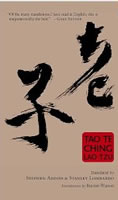
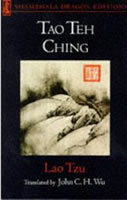
Tao Te Ching
Lao Tzu: Tao Te Ching
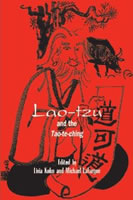
 Translated by Livia Kohn
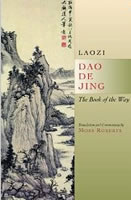
Dao De Jing: The Book of the Way
"The people suffer from famine because of the multitude
of taxes consumed by their superiors.
It is through this that they suffer famine.
The people are difficult to govern because of the (excessive) agency of their
superiors (in governing them).
It is through this that they are difficult to govern.
The people make light of dying because of the greatness of their labours in
seeking for the means of living.
It is this which makes them think light of dying.
Thus it is that to leave the subject of living altogether out of view is better
than to set a high value on it."
- Translated by
James Legge, 1891,
Chapter 75
"Those who make their living by collecting taxes cause the people to
starve;
when the people starve, the tax collectors, having no one to
tax, starve also.
Those who govern people make them discontented with being controlled;
and therefore cause them to be uncontrollable.
Those who are so eager to make a better living that they risk death in
doing so are the very ones most likely to die.
Only the self-sufficient
person who depends upon and endangers no one else in order to get his
living is most sure to live."
- Translated by
Archie J. Bahm, 1958, Chapter 75.
"People are hungry.
Because their rulers levy too much grain tax,
Therefore they are hungry.
People are hard to rule.
Because their rulers rule by action (wei),
Therefore they are hard to rule.
People take death lightly.
Because they are in thick pursuit of life,
Therefore they take death lightly.
One who has nothing to pursue in life,
Is wiser than one who values life."
- Translated by
Helen Chen,
Chapter 75
"When people go hungry,
the government's taxes are too high.
When people become rebellious,
the government has become too intrusive.
When people begin to view death lightly,
wealthy people have too much
which causes others to starve.
Only those who do not cling to their life can save it."
- Translated by
John H. McDonald, 1996, Chapter 75
 Translated by Eva Wong
  Translated by Philip Ivahoe
 By James Miller
 Translated by Stephen Bokencamp
By Alexander and Annellen Simpkins
Translated by Stephen Bokencamp
By Alexander and Annellen Simpkins Translated by Thomas Cleary
 By Livia Kohn
"When taxes are too heavy, hunger lays the people low.
When those who govern interfere too much, the people become rebellious.
When those who govern demand too much of people's lives, death is taken lightly.
When the people are starving in the land, life is of little value,
and so is more easily sacrificed by them in overthrowing government."
- Translated by
Stan Rosenthal,
1984, Chapter 75
"The reason why people starve,
Is because they take so much in tax-grain.
Therefore the people are starving.
The reason why the common people cannot be ruled,
Is because their superiors have their reasons for acting.
Therefore they cannot be ruled.
The reason why people take death lightly,
Is because they so avidly seek after life.
Therefore the people take death lightly.
Only those who do not act for the purpose of living -
Only those are superior to those who value life."
- Translated by
Bram den Hond, Chapter 75
"The people starve.
Because their officials take heavy taxes from them,
therefore they starve.
The people are hard to rule.
Because their
officials meddle with affairs, therefore they are hard to rule.
The
people pay no heed to death.
Because they Endeavour to seek life;
therefore they pay no heed to death."
- Translated by
Ch'u Ta-Kao, 1904, Chapter 75
Walking the Way: 81 Zen Encounters with the Tao Te Ching
The Tao of Zen
Tao Te Ching: Zen Teachings on the Taoist Classic
Buddhism and Taoism Face to Face: Scripture, Ritual, and Iconographic Exchange in Medieval China

"The people are hungry.
Because they who are over the food tax it heavily
That is why the people are hungry.
The people are difficult to govern.
Because the rulers trust in possessions and activities
That is why the people are difficult to govern.
The people make light of death.
Because they work hard in order to save their life,
That is why they make light of death.
A Master indeed is he whose life-activities are from within.
He excels all man in his application of Life."
- Translated by
Isabella Mears, 1916, Chapter 75
|
Tao Te
Ching |
|||||||||
| 1 | 2 | 3 | 4 | 5 | 6 | 7 | 8 | 9 | 10 |
| 11 | 12 | 13 | 14 | 15 | 16 | 17 | 18 | 19 | 20 |
| 21 | 22 | 23 | 24 | 25 | 26 | 27 | 28 | 29 | 30 |
| 31 | 32 | 33 | 34 | 35 | 36 | 37 | 38 | 39 | 40 |
| 41 | 42 | 43 | 44 | 45 | 46 | 47 | 48 | 49 | 50 |
| 51 | 52 | 53 | 54 | 55 | 56 | 57 | 58 | 59 | 60 |
| 61 | 62 | 63 | 64 | 65 | 66 | 67 | 68 | 69 | 70 |
| 71 | 72 | 73 | 74 | 75 | 76 | 77 | 78 | 79 | 80 |
| 81 | |||||||||
"The hunger of the people is due to the
exorbitant taxation levied by their rulers.
That is why they
starve.
The difficulty of governing the people
arises from the policy of action adopted by their rulers.
That
is why government is difficult.
The light esteem in which people
hold death is due to the over-anxiety with which they struggle
for life.
That is why they hold death so cheap.
It is only those
who do not exert themselves on behalf of their life that know
how to hold life in true honour;
or, who are superior to those
who hold life in too high esteem."
- Translated by
Frederic Henry Balfour, 1884, Chapter 75
"Die Ursachen politischerUnruhen
Das Volk leidet,
wenn die Herrschenden es aussaugen,
daher seine Not.
Das Volk grollt,
wenn es die Herrschenden nicht in Ruhe lassen,
daher seine Widerspenstigkeit.
Das Volk wird gleichgültig gegenüber dem Tod,
wenn sich die Herrschenden
als Herren des Lebens aufspielen, daher der Lebensüberdruß.
Doch der ist weiser, der nicht am Leben hängt,
als der, der am Leben haftet."
- Translated
by Rudolf
Backofen, 1949, Chapter 75
"Daß das Volk hungert,
kommt davon her,
daß seine Oberen zu viele Steuern fressen;
darum hungert es.
Daß das Volk schwer zu leiten ist,
kommt davon her, daß seine Oberen zu viel machen,
darum ist es schwer zu leiten.
Daß das Volk den Tod zu leicht nimmt,
kommt davon her,
daß seine Oberen des Lebens Fülle zu reichlich suchen;
darum nimmt es den Tod zu leicht.
Wer aber nicht um des Lebens willen handelt
der ist besser als der, dem das Leben teuer ist."
- Translated by Richard Wilhelm, 1911, Chapter
75
"A person starves because the food is taken right out of his
mouth to pay excess taxes.
Thus they starve.
The common people do not have a proper government because those
in power take advantage of their actions.
Thus the government is improper.
The people take death lightly because they merely seek to
survive while others take the largess.
Thus death seems like an easier course.
It’s only without looking for a reason to be alive that you will
see just how valuable and precious this life is.
- Translated by
Nina
Correa, 2005, Chapter 75
Created by Michael P. Garofalo, Green Way Research, Valley Spirit Center, Gushen Grove Notebooks, Vancouver, Washington © 2020 CCA 4.0
Further Teachings of Lao-Tzu: Understanding the Mysteries (Wen Tzu)
 Translated by Thomas Cleary
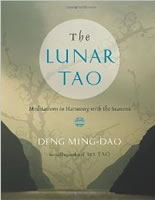
The Lunar Tao: Meditations in Harmony with the Seasons
 By Lui I-Ming (1780) and translated by Thomas Cleary
Ripening Peaches: Taoist Studies and Practices By Mike Garofalo
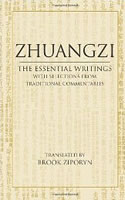
Zhuangzi: The Essential Writings with Selections from Traditional Commentaries
"The taxes eaten by the ruling class
"People are starved of body,
When the government taxes to excess.
People are starved of spirit and become unruly,
When the government, by over-control, interferes with the natural rights of mankind.
Being so starved of both body and spirit,
Their leaders demanding so much of living life,
Little remains upon which to live.
People know better than to place too much value upon life."
- Translated by
Alan B. Taplow, 1982, Chapter 75
"People
starve
If taxes eat their grain,
And the faults of starving people
Are
the fault of their rulers.
That is why people rebel.
Men who have to fight
for their living
And are not afraid to die for it
Are higher men than
those who, stationed high,
Are too fat to dare to die."
- Translated by
Witter Bynner, 1944, Chapter 75
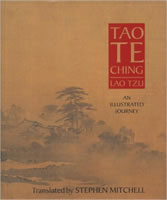
Tao Te Ching: An Illustrated Journey
Tao Te Ching
The Book of Tao: Tao Te Ching - The Tao and Its Characteristics
Ripening Peaches: Taoist Studies and Practices
Taoism: Growth of a Religion
Zhuangzi (Chuang Tsu), Daoist Scripture: Bibliography, Links, Resources, Quotations, Notes
Zhuangzi: Basic Writings
Zhuangzi Speaks: The Music of Nature
Lifestyle Advice from Wise Persons
"The people suffer from famine on account of the heavy taxation put upon them.
This is the cause of their need.
The people are difficult to govern because of the overbearing of their superiors.
This is the cause of their trouble.
The people make light of dying because of the great hardships of trying to live.
This is the reason for their indifference to death.
Therefore to keep living in obscurity is better than making overmuch of it."
- Translated by
Walter Gorn Old, 1904, Chapter 75
"If the people go hungry it is because their betters ruin them with taxes:
That is why they must grow hungry.
If the people are hard to govern it is because their betters meddle in their affairs:
That is the only reason why they are hard to govern.
If the people make light of death it is because they are so absorbed in the task of living:
That is why they make light of death.
And indeed they who set too little store by life are at any rate wiser than they who value it too dearly."
- Translated by
Herman Ould, 1946, Chapter 75
"When
people are hungry,
It is because their rulers eat too much tax-grain.
Therefore the unruliness of hungry people
Is due to the interference of their rulers.
That is why they are unruly.
The people are not afraid of death,
Because they are anxious to make a living.
That is why they are not afraid of death.
It is those who interfere not with their living
That are wise in exalting life."
- Translated by
Lin Yutang, 1955, Chapter 75
"Le peuple a faim parce que le prince dévore une quantité
d'impôts.
Voilà pourquoi il a faim.
Le peuple est difficile à gouverner parce que le prince aime à agir.
Voilà pourquoi il est difficile à gouverner.
Le peuple méprise la mort parce qu'il cherche avec trop d'ardeur les moyens de
vivre.
Voilà pourquoi il méprise la mort.
Mais celui qui ne s'occupe pas de vivre est plus sage que celui qui estime la
vie."
- Translated by Stanislas Julien, 1842, Chapter
75
Spanish
Language Versions of the Tao Te Ching (Daodejing)
Tao Te Ching en Español
Lao Tsé Tao Te Ching 
Tao Te Ching Traducido por Stephen Mitchell, versión española
Tao Te Ching Traducido al español por el Padre Carmelo Elorduy
Lao Tzu-The Eternal Tao Te Ching
Ripening Peaches: Taoist Studies and Practices By Mike Garofalo Maduración Duraznos: Estudios y Prácticas Taoístas por Mike Garofalo
Tao Te Ching
Lao Tzu - Tao Te Ching
Tao te king
Daodejing Español, Inglés, y Chino Versiones Lingüísticas de la Daodejing
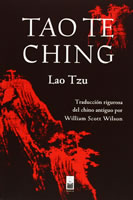
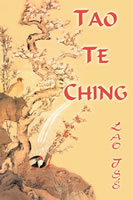
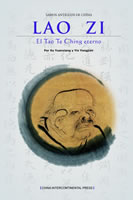
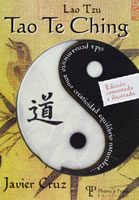
Spanish Language Translations of the Tao Te Ching
El pueblo estáhambriento
porque sus diregentes lo agobian a impuestos.
Esto es lo que lo mata hambre.
El pueblo es indócil
porque sus dirigentes son demasiado emprendedores.
Esto l vuelve indócil.
El pueblo deseña la muerte
porque su vida es demmasiado dura.
Lo cual hace que desdeñe la muerte.
Sólo el que no lleva una vida demasiado dura
puede apreciar la vida."
- Translated by Alba, 1998,
Tao Te Ching, Capítulo 75
"El pueblo pasa hambre porque sus superiores consumen en
exceso sobre lo que recaudan.
Por esta razón el pueblo pasa hambre.
El pueblo se rebela porque sus superiores interfieren demasiado
para así satisfacer sus intereses personales.
Por esta razón el pueblo se rebela.
El pueblo piensa poco en la muerte
porque sus superiores exigen demasiado de la vida.
Por esta razón el pueblo piensa poco en la muerte.
Quien hace mucho por la vida
la vive con mucha dificultad.
y por eso no la puede estimar."
- Translation from
Wikisource, 2013,
Capítulo 75
"El pueblo sufre hambruna porque el rey cobra impuestos
en demasía.
Por eso hay hambruna.
El pueblo es difícil de gobernar porque el
rey actúa en beneficio de sus propios intereses.
Por eso el pueblo es difícil
de dirigir.
Al pueblo no le importa la muerte porque ama intensamente la
vida.
Por es al pueblo no le importa la muerte.
Quien no hace nada para vivir
es más sabio que aquél que aprecia la vida."
- Translation from
Logia Medio Dia, 2015,
Tao Te Ching, Capítulo 75
"El pueblo tiene hambre.
Como sus gobernantes le imponen un impuesto al grano demasiao alto,
entonces
tiene hambre.
El pueblo es difícil de gobernar.
Como sus gobernantes gobiernan mediante la acción,
entonces es difícil de gobernar.
El pueblo toma la muerte a la ligera.
Como se la pasan persiguiendo a la vida,
entonces toman la muerte a la ligera.
El que no tiene tiene nada que perseguir en la vida,
es más sabio que aquél que valora la vida."
- Translated
by Álex Ferrara,
2003, Capítulo 75
"El pueblo está hambriento.
Porque sus gobernantes lo agobian de impuestos, está hambriento.
El pueblo es rebelde.
Debido a la intromisión de sus gobernantes, es rebelde.
El pueblo no teme a la muerte.
Porque desea con ansia vivir, no teme a la muerte."
- Translated from Chinese into English by Ch'u Ta-Kao, Translated from
English into Spanish by
Caridad Diaz Faes, Capítulo 75
Created by Michael P. Garofalo, Green Way Research, Valley Spirit Center, Gushen Grove Notebooks, Vancouver, Washington © 2020 CCA 4.0
Next Chapter of the Tao Te Ching #76
Previous Chapter of the Tao Te Ching #74
Chapter and Thematic Index to the Tao Te Ching
Tao Te Ching
Commentary, Interpretations, Research Tools, Resources
Chapter 75
Das Tao Te King von Lao Tse. Complete versions of all 81 Chapters of the Tao Te Ching by many different translators in many languages: 124 English, 24 German, 14 Russian, 7 Spanish, 5 French and many other languages. Links are organized first by languages, and then alphabetically by translators. Formatting varies somewhat. The original website at Onekellotus went offline in 2012; but, the extensive collection of these Tao Te Ching versions was saved for posterity by the Internet Archive Wayback Machine and available as of 9/9/2015. This is an outstanding original collection of versions of the Daodejing─ the Best on the Internet. Caution: copyright infringement may sometimes be an issue at this website.
Tao Te Ching, Translations into English: Terebess Asia Online (TAO). 124
nicely formatted complete English language translations, on separate webpages, of the Daodejing.
Alphabetical index by translators. Each webpage has all 81 chapters of the Tao Te
Ching translated into English. A useful collection! Many
reformatted and colored versions from the original collection at
Das Tao Te King von Lao Tse. Caution: copyright infringement may
sometimes be an
issue at this website.
Lao Tzu: Te-Tao Ching - A New Translation Based on the Recently Discovered Ma-wang-tui
Texts (Classics of Ancient China)
Daodejing by Laozi: Chapters with Chinese characters, seal script,
detailed word by word concordance, Pinyin (tone#), German, French and English.
This is an outstanding resource for serious students of the Tao Te Ching.
Tao Te
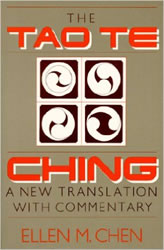
Ching: A New Translation and Commentary. By Ellen Chen. Paragon
House, 1998. Detailed glossary, index, bibliography, notes, 274 pages.
The Tao
and Method: A Reasoned Approach to the Tao Te Ching. By Michael
Lafargue. New York, SUNY Press, 1994. 640 pages. Detailed
index, bibliography, notes, and tables. An essential research tool.
Two Visions of the Way: A Study of the Wang Pi and the Ho-Shang Kung Commentaries on the Lao-Tzu.
By Professor by Alan Kam-Leung Chan. SUNY Series in Chinese
Philosophy and Culture. State University of New York Press, 1991.
Index, bibliography, glossary, notes, 314 pages.
ISBN: 0791404560.
Tao Te Ching: The Definitive Edition
Chinese Reading of the Daodejing
Wang Bi's Commentary on the Laozi with Critical Text and Translation.
By Professor Rudolf G. Wagner. A SUNY Series in Chinese Philosophy and
Culture. English and Mandarin Chinese Edition.
State University of New York Press; Bilingual edition (October 2003). 540
pages. ISBN: 978-0791451823.
Wang Bi (Wang Pi, Fusi), 226-249 CE,
Commentary on the Tao Te
Ching.
Tao Te Ching
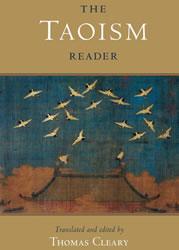

The Taoism Reader
Change Your Thoughts - Change Your Life: Living the Wisdom of the Tao
The Lunar Tao: Meditations in Harmony with the Seasons
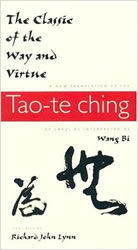
The Classic of the Way and Virtue: A New Translation of the Tao-te Ching of Laozi as Interpreted by Wang Bi.
Translated by Richard John Lynn. Translations from the Asian Classics
Series. Columbia University Press, 2004. 256 pages.
Tao Te Ching in Chinese characters,
Pinyin Romanization, English and German by Dr. Hilmar
Alquiros.
Yellow Bridge
Dao De Jing Comparison Table Provides side by side comparisons of
translations of the Tao Te Ching by James Legge, D. T. Suzuki, and Dwight
Goddard. Chinese characters for each paragraph in the Chapter are on the
left; place your cursor over the Chinese characters to see the Pinyin
Romanization of the Chinese character and a list of meanings.
Translators Index,
Tao Te Ching Versions in English, Translators Sorted Alphabetically by Translator, Links to Books and
Online Versions of the Chapters
Taoism and the Tao Te
Ching: Bibliography, Resources, Links
Spanish Language
Translations of the Tao Te Ching, Daodejing en Español, Translators Index
The Tao of Zen
Chapter 1 in the
Rambling
Taoist Commentaries by Trey Smith. The
Rambling Taoists are Trey Smith and Scott Bradley.
By Hans-Georg Moeller. Columbia University Press, 2006, 176 pages.
Valley Spirit, Gu Shen,
Concept, Chapter 6
Valley Spirit Center in Red
Bluff, California.
Sacred
Circle in the Gushen Grove.
Lao-tzu's Taoteching
Reading Lao Tzu: A Companion to the Tao Te Ching with a New Translation
Dao De Jing: A Philosophical Translation
Thematic Index to the
81 Chapters of the Tao Te Ching
Lieh-Tzu: A Taoist Guide to Practical Living
Revealing the Tao Te Ching: In-depth Commentaries on an Ancient Classic
Cloud Hands Blog
Mike Garofalo writes about Mind-Body Arts, Philosophy, Taoism, Gardening, Taijiquan, Walking, Mysticism,
Qigong, and the Eight Ways.
The Whole Heart of Tao:
The Complete Teachings From the Oral Tradition of Lao Tzu.
Gushen Grove Notebooks for the Tao Te Ching
Green Way Research, Valley Spirit
Center, Gushen Grove Notebooks (2001-2020)
East Los Angeles, California, 1946-1998;
Red Bluff, California from 1998-2017;
Vancouver, Washington from 2107-
Green Way Research, Tao Te Ching, Chapter 75, 2011-2020.
Indexed and Compiled by
Michael P. Garofalo
This webpage was last modified, edited,
maintained, expanded, improved or updated on
November 20, 2019.
This webpage was first distributed online on July 16, 2011.
Created by Michael P. Garofalo, Green Way Research, Valley Spirit Center, Gushen Grove Notebooks, Vancouver, Washington © 2020 CCA 4.0
Brief Biography of Michael P. Garofalo, M.S.

Ripening Peaches: Daoist Studies and Practices
Zhuangzi (Chuang Tzu, Zhuang Zhou, Master Chuang) 369—286 BCE
Taoist Perspectives: My Reading List
Bodymind Theory and Practices, Somaesthetics
How to Live a Good Life: Advice from Wise Persons
Qigong (Chi Kung) Health Practices
One Old Daoist Druid's Final Journey: Notebooks of the Librarian of Gushen Grove
Index to Cloud Hands and Valley Spirit Websites
Index to English Language Translators of the Tao Te Ching
Recurring Themes (Terms, Concepts, Leimotifs) in the Tao Te Ching
Spanish Language Translations of the Tao Te Ching
Chinese Characters, Wade-Giles (1892) and Hanyu Pinyin (1982) Romanizations
The Tao Te Ching (Dao De Jing) by Lao Tzu (Laozi) circa 500 BCE
|
Tao Te
Ching |
|||||||||
| 1 | 2 | 3 | 4 | 5 | 6 | 7 | 8 | 9 | 10 |
| 11 | 12 | 13 | 14 | 15 | 16 | 17 | 18 | 19 | 20 |
| 21 | 22 | 23 | 24 | 25 | 26 | 27 | 28 | 29 | 30 |
| 31 | 32 | 33 | 34 | 35 | 36 | 37 | 38 | 39 | 40 |
| 41 | 42 | 43 | 44 | 45 | 46 | 47 | 48 | 49 | 50 |
| 51 | 52 | 53 | 54 | 55 | 56 | 57 | 58 | 59 | 60 |
| 61 | 62 | 63 | 64 | 65 | 66 | 67 | 68 | 69 | 70 |
| 71 | 72 | 73 | 74 | 75 | 76 | 77 | 78 | 79 | 80 |
| 81 | |||||||||
Return to the Top of this Webpage


Mike Garofalo at the Klickitat River in Southwest Washington, 2019
Cloud Hands Blog of
Michael P. Garofalo

Facebook of
Michael P. Garofalo

Return to the Alphabetical
Index of Mike Garofalo's Hypertext Documents
Return to the Top of this Webpage