Classic of the Way and Virtue
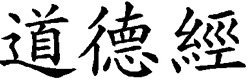
By Lao Tzu (Laozi)
Green Way Research, Valley Spirit Center, Gushen Grove Notebooks, Vancouver, Washington
Chapter 36 Chapter 38 Index to All the Chapters Daoism Concordance Cloud Hands Blog Commentary
Classic Book (Ching) about the Tao (Way, Nature, Patterns, Processes) and Te (Virtue, Potency, Power, Integrity, Wise Person, Sage)
Concordance: Indexing, Search Terms, Topics, Themes, Keys, Subjects
End of the Book of the Dao (Way or Path) of the Daodejing (Tao Te
Ching), Classic of the Way and Virtue.
Book of the Dao (Way or Path) = Chapters 1-37. Book of
the Te (Virtue or Power) = Chapters 38-81.
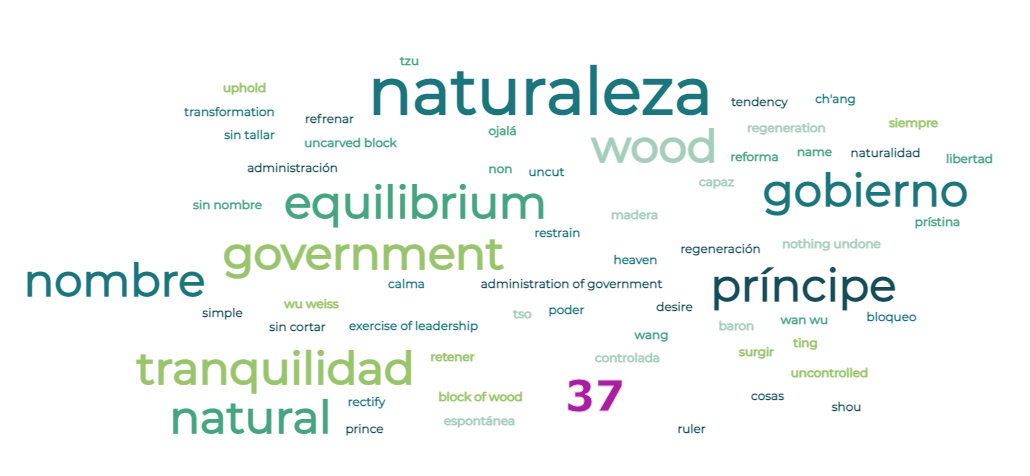
English and Chinese (Wade-Giles) Terms, Chapter #37:
Active, Administration
of Government, Always or Eternal (ch'ang), Calmness, Can or Able (nêng),
Desire or Tendencies (yü), Equilibrium, Exercise of Leadership, Freedom,
Government, Heaven (t'ien), Hold or Uphold (shou), King or Ruler (wang),
Lust, Name (ming), Nameless, Natural or Spontaneous (tzu), Nature,
Non-Assertion, Nothing Undone, Prince or Baron (hou), Quiet or Still or
Tranquil (ching), Rectify, Reform, Regeneration, Rest, Restrain or Subdue
(chên), Settled or Anchored (ting), Simplicity, Still, Stir or Arise (tso),
Taking No Action (Wu Wei), Tao, Ten Thousand Things (wan wu),
Tranquility, Transformation (hua), Uncarved Block of Wood or Simple or
Uncut (p'u), Uncontrolled, Will or Would (chiang), Without or No (wu),
Wood, 為政.
Chapter #37 Tao Te Ching 2/11t/2021
Términos en Español, Capítulo #37: Simplicidad, Gobierno, Reforma, Activo,
Naturaleza,
Tranquilidad, Administración de
Gobierno, Libertad, Madera,
Sin Tallar, Bloqueo, Sin Nombre,
Equilibrium, Reyes,
Transformación, Príncipe,
Rectificar, Regeneración,
Tranquilo, Deseo, Lujuria, Calma,
Liderazgo, Natural, Naturalidad, Espontánea, No Controlada,
Naturaleza, Siempre,
Eterno,
Sin, Príncipe, Barón, Gobernante, Poder,
Capaz, Retener, Sostener,
Cosas, Tendencias,
Revolver,
Surgir,
Ojalá,
Refrenar, strian, Sojuzgar, Nombre,
Sencillo, sin Cortar, Prístina,
Naturaleza, Tranquilidad,
Cielo,
Colocado, Anclado.
Capítulo #37
Daodejing 2/11t/2021
Electronic Concordance for all 81 Chapters of the Tao Te Ching
English Language Translations of the Tao Te Ching
"The Tao in its regular course does nothing for the sake of doing it, and so
there is nothing which it does not do.
If princes and kings were able to maintain it, all things would of themselves be
transformed by them.
If this transformation became to me an object of desire, I would express the
desire by the nameless simplicity.
Simplicity without a name
Is free from all external aim.
With no desire, at rest and still,
All things go right as of their will."
- Translated by
James Legge, 1891,
Chapter 37
"Eternal Tao doesn't do anything, yet it leaves nothing undone.
If you abide by it, everything in existence will transform itself.
When,
in the process of self-transformation, desires are aroused, calm them
with nameless simplicity.
When desires are dissolved in the primal presence, peace and harmony naturally occur, and the world orders itself."
- Translated by
Brian Browne Walker, 1996, Chapter 37
"The Tao is ever nameless
If leaders could be one with it
The world would transform itself
Wherever it is restless and troubled
It could be soothed by simple anonymous actions
Which, being anonymous,
Would cause no disgrace, no insult, no worries
And all of heaven and earth would find its own proper balance"
- Translated by
Ted Wrigley, Chapter 37
"The Tao always remains inactive,
Yet it acts upon everything in the world.
If lords and kings can keep it,
All creatures will grow and develop naturally.
When desires are kindled in the growth and development,
I can suppress them with the nameless Simplicity of the Tao.
Once I do so
Desires will be repressed.
Once desires are repressed,
The whole world will be naturally at peace."
- Translated by
Gu Zhengkun, Chapter 37
"The Tao is ever inactive; yet there is nothing it does
not do.
If feudal Princes and Sovereigns can but preserve it, all creatures will reform
themselves.
But if, once reformed, desires should again arise,
I would restrain them by the exercise of the Simplicity which is without a name.
This nameless Simplicity will prevent the rise of desires;
An absence of desire will produce quiescence.
Then the Empire will become settled of its own accord."
- Translated by
Frederic Henry Balfour,
1884, Chapter 37
"Thou art eternally nameless.
If rulers and Kings preserved it, the masses
would transform.
After transformation, should they wish to rise-up,
I could restrain them with the nameless unhewn log.
Should I so restrain
them, they would not feel disgraced;
they would be still, whereupon Heaven
and Earth would right themselves."
- Translated by
Jerry C. Welch, 1998, Chapter 37

Created by Michael P. Garofalo, Green Way Research, Valley Spirit Center, Gushen Grove Notebooks, Vancouver, Washington © 2011-2021 CCA 4.0
 By Alexander Simkins.
  By Derek Lin.
 By Ming-Dao Deng.
 By Benjamin Hoff.
 By Ming-Dao Deng.
 Translated by Thomas Cleary.
"The Way never does anything,
and everything gets done.
If those is power could hold to the Way,
the ten-thousand things
would look after themselves.
If even so they tried to act,
I'd quiet them with the nameless,
the natural.
In the unnamed, in the unshapen,
is not wanting.
In not wanting is stillness.
In stillness all under heaven rests."
- Rendition by Ursula K. Le Guin, 2009, Chapter 37
"The Way takes no action, but leaves nothing undone.
When you accept this
The world will flourish,
In harmony with nature.
Nature does not possess desire;
Without desire, the heart becomes quiet;
In this manner the whole world is made tranquil."
- Interpolated by
Peter Merel, 1992,
Chapter 37
"Tao always remains in no artificial action,
And yet nothing is left undone.
Should kings and lords follow Tao,
Ten Thousand Things would naturally mutate.
Should desires arise in their mutation,
I would be ready to pacify them with the uncarved block with no name.
Should they become the uncarved block with no name.
They would become desireless.
Should kings and loads pacify them with desirelessness,
The universe would spontaneously be one with peace.
Here the famous phrase, “Tao remains in no action and yet nothing is left
undone.” "
- Translated by
Eichi Shimomisse, 1998, Chapter 37
"The eternity of Dao contrives nothing, yet it provides everything.
If rulers can cling to it - Dao,
All Things will transform themselves.
Any artificial desire occurring during the transformation, shall be
suppressed by the nameless "Purity."
Nameless "Purity" (Pure Matter) will do away with artificial desires.
When artificial desires have been done away with,
all peoples will be at
peace and the world order will be established automatically."
- Translated by
Tang Zi-Chang, Chapter 37
 By Hu Xuzehi
 Annotated translation by Victor Mair
  By Ha Poong Kim
 By Hans-Georg Moeller
 Ripening Peaches: Taoist Studies and Practices By Mike Garofalo
 By Roger T. Ames and David T. Hall
 By Arthur Waley
Lifestyle Advice from Wise Persons
"Reason always practices non-assertion, and there is nothing that remains
undone.
If princes and kings could keep Reason, the ten thousand creatures would of
themselves be reformed.
While being reformed they might yet be anxious to stir; but I would restrain
them by the simplicity of the Ineffable.
The simplicity of the unexpressed
Will purify the heart of lust.
Is there no lust there will be rest,
And all the world will thus be blest."
- Translated by
Daisetsu Teitaro Suzuki and
Paul Carus, 1913, Chapter 37
A Chinese Language Version of Chapter 37 of
the Tao Te Ching by Lao Tzu
A
note
on my style of displaying the Chinese characters of the Tao Te Ching
道常無為, 而無不為.
侯王若能守之, 萬物將自化.
化而欲作, 吾將鎮之以無名之樸.
無名之樸, 夫亦將無欲.
不欲以靜, 天下將自定.
- Chinese characters, Tao Te Ching, Chapter 37
tao ch'ang wu wei, erh wu pu wei.
hou wang jo nêng shou chih, wan wu chiang tzu hua.
hua erh yü tso, wu chiang chên chih yi wu ming chih p'u.
wu ming chih p'u, fu yi chiang wu yü.
pu yü yi ching, t'ien hsia chiang tzu ting.
- Wade-Giles Romanization, Tao Te Ching, Chapter 37
Audio
Version in Chinese of Chapter 37 of the Tao Te Ching
dao chang wu wei, er wu bu wei.
hou wang ruo neng shou zhi, wan wu jiang zi hua.
hua er yu zuo, wu jiang zhen zhi yi wu ming zhi pu.
wu ming zhi pu, fu yi jiang bu yu.
bu yu yi jing, tian xia jiang zi ding.
-  Pinyin Romanization, Daodejing, Chapter 37
Tao Te Ching in Chinese characters and English (includes a word by word key) from YellowBridge
Tao Te Ching in Chinese characters, Pinyin Romanization, English and German by Dr. Hilmar Alquiros.
Laozi Daodejing: Chapters with Chinese characters, seal script, detailed word by word concordance, Pinyin (tone#), German, French and English.
Chinese and English Dictionary, MDGB
Dao De Jing Wade-Giles Concordance by Nina, Dao is Open
Dao De Jing English and Wade-Giles Concordance by Mike Garofalo
Tao Te Ching in Pinyin Romanization with Chinese characters, WuWei Foundation
Tao Te Ching in Pinyin Romanization
Tao Te Ching in Chinese characters and English
Tao Te Ching in Chinese characters, English, Word by word analysis, Zhongwen
Tao Te Ching: The Definitive Edition
Tao Te Ching in Chinese characters: Big 5 Traditional and GB Simplified
Chinese Characters, Wade-Giles and Pinyin Romanizations, and 16 English Translations for Each Chapter of the Daodejing by Mike Garofalo.
Tao Te Ching in Chinese characters, Pinyin and Wade Giles Romanization spellings, English; a word for word translation of the Guodian Laozi Dao De Jing Version.
Lao Zi's Dao De Jing: A Matrix Translation with Chinese Text by Bradford Hatcher.
"Tao is never active, but there is nothing it does not do.
If princes and kings could hold onto it, all things would develop by themselves.
When they develop, the desire in them would emerge,
I would restrain them with simplicity,
So simple that it does not even have a name,
In order to liberate them from desire.
Free of desire, they would be soaked in tranquillity,
And thus the world would attain purity and virtue.
Simplicity, however unimportant it may be,
Cannot be subdued even by the entire world.
If princes and kings could hold onto it,
Everything in the world, of its own accord, would pay homage.
Heaven and earth would unite to sprinkle dew, sweeter than honey, on the ground.
Without anyone ordering them to do so, people would attain harmony by themselves.
With the mission accomplished and the objectives achieved,
People would see themselves as following in nature's footsteps."
- Translated by Chohan Chou-Wing, Chapter 37
 Translation and elucidation by Hua Ching Ni.
 Translated by Brian Walker.
  Translated by Lionel and and Herbert Giles.
 By Eva Wong.
"The Tao eternally non-acts, and so
It does nothing and yet there is nothing left to do;
If prince or king could keep it, all would change
Of their own accord with a transformation strange.
And so transformed, should desire to change again still come to be,
I would quiet such desire by the Nameless One' s simplicity,
But the Nameless One' s simplicity is free from all desire,
So tranquilly, of their own
accord, all things would still transpire."
- Translated by
Isaac Winter Heysinger, 1903, Chapter 37
"Tao invariably takes no action
Yet there is nothing left undone.
If kings and lords could follow it
The myriad things would transform by themselves.
And should they wish to take action once more
I'd quiet them
With nameless simplicity.
The nameless simplicity
Is like uncut wood:
It has no desires.
Without desires there is tranquility
And heaven and earth become stable by themselves."
- Translated by
Agnieszka Solska, Chapter 37
"The Tao never does anything, yet there is nothing it doesn't do.
If a
father instills this virtue into his being, the children will be
transformed by themselves, in accordance with their nature.
Following
their nature, their contentment is total and no desires would arise.
When no desire arises, bliss and tranquility abide."
- Translated by
David Bullen, Chapter 37
"Way-making is really nameless.
Were the nobles and kings able to respect this,
All things would be able to develop along their own lines.
Having developed along their own lines, were they to desire to depart from this,
I would realign them
With a nameless scarp of unworked wood.
Realigned with this nameless scrap of unworked wood,
They would leave off desiring.
Is not desiring, they would achieve equilibrium,
And all the world would be properly ordered of its own accord."
- Translated by
Roger T. Ames and
Donald L. Hall, 2003, Chapter 37
Created by Michael P. Garofalo, Green Way Research, Valley Spirit Center, Gushen Grove Notebooks, Vancouver, Washington © 2011-2021 CCA 4.0
 Translated by Eva Wong
  Translated by Philip Ivahoe
 By James Miller
 Translated by Stephen Bokencamp
By Alexander and Annellen Simpkins
Translated by Stephen Bokencamp
By Alexander and Annellen Simpkins Translated by Thomas Cleary
 By Livia Kohn
"The Way is eternally nameless.
If feudal lords and kings preserve it,
The myriad creatures will be transformed by themselves.
After transformation, if they wish to rise up,
I shall restrain them with the nameless unhewn log.
By restraining them with the nameless unhewn log,
They will not feel disgraced;
Not feeling disgraced,
They will be still,
Whereupon heaven and earth will be made right by themselves."
- Translated by Victor H. Mair,
1990, Chapter 37
"The Tao never does anything,
yet through it all things are done.
If powerful men and women
could venture themselves in it,
the whole world would be transformed
by itself, in its natural rhythms.
People would be content
with their simple, everyday lives,
in harmony, and free of desire.
When there is no desire,
all things are at peace."
- Translated by
Edwin Shaw, 1996, Chapter 37
"The Tao never acts with force,
yet there is nothing that it can not do.
If rulers could follow the way of the Tao,
then all of creation would willingly follow their example.
If selfish desires were to arise after their transformation,
I would erase them with the power of the Uncarved Block.
By the power of the Uncarved Block,
future generations would lose their selfish desires.
By losing their selfish desires,
the world would naturally settle into peace."
- Translated by
John H. McDonald, 1996, Chapter 37
"The Dao never does; it takes no action.
Through it everything is done, yet there's nothing left undone.
If good kings and barons would master some fit Dao and keep it,
all things in the world should transform spontaneously.
When reformed and rising to action,
let all influenced be restrained by the blankness of the unnamed,
the nameless pristine simplicity.
Yes, if after being transformed they should desire to act,
someone has to restrain them with simplicity that has no name.
Its an unnamed blankness; it could bring dispassion;
As such nameless pristine simplicity is stripped of desire.
So to be truly, artfully dispassionate, be free of desires and still.
Simple wit and sense is free of desires.
By stripping of desire true rest is achieved almost of itself,
the whole empire will be at rest of its own accord.
And next the world could get at peace of its own accord."
- Translated by
Byrn Tromod, 1997, Chapter 37
Tao Te Ching
Lao Tzu: Tao Te Ching
 Translated by Livia Kohn
Dao De Jing: The Book of the Way
"Tao remains quiescent, and yet leaves nothing undone.
If a ruler or a king could hold it, all things would of their own accord assume the desired shape.
If in the process of transformation desire should arise, I would check it by the ineffable simplicity.
The ineffable simplicity would bring about an absence of desire, and rest would come back again.
Thus the world would regenerate itself."
- Translated by
Walter Gorn-Old, 1904, Chapter 37
"Tao never does,
Yet through it,
All Things are done.
If leaders observed this,
All would develop naturally.
Desire for active doing would be restrained by the inherent simplicity of Tao.
Being free of desire,
Stillness and tranquility reign.
Of itself,
All Things are at peace."
- Translated by
Alan B. Taplow, 1982, Chapter 37
"The Tao proceedeth by its own nature, doing nothing; therefore there is
no doing which it comprehendeth not.
If
kings and princes were to govern in this manner, all things would
operate aright by their own motion.
If
this transmutation were my object, I should call it Simplicity.
Simplicity hath no name nor purpose; silently and at ease all things go
well."
- Translated by
Aleister Crowley, 1918, Chapter 37
Walking the Way: 81 Zen Encounters with the Tao Te Ching
The Tao of Zen
Tao Te Ching: Zen Teachings on the Taoist Classic
Buddhism and Taoism Face to Face: Scripture, Ritual, and Iconographic Exchange in Medieval China
"The activity of Everlasting Tao is in the Inner Kingdom,
It does not act except through the innermost.
If prince and people can maintain it together,
All beings will be transformed from within themselves;
Being transformed, they again desire action.
We must learn to still desire
To obtain in the Inner Life Purity of the Name.
Purity of the Name in the Inner Life
Brings absence of desire;
Absence of desire brings stillness;
Thus shall the world be perfected from within itself."
- Translated by Isabella Mears, 1916, Chapter 37
"The Way is constantly in non-action,
But it leaves nothing undone.
If dukes and kings can keep to it,
All things will be transformed by themselves.
But, in transforming, desires arise.
I will subdue them by the nameless simplicity;
With nameless simplicity,
There will be no desires.
Being desireless is to be tranquil.
All the world will become calm by itself."
- Translated by
Yi Wu, Chapter 37
"Tao never does anything,
And everything gets done.
If rulers can keep to it,
The ten thousand things will changes of themselves.
Changed, things may start to stir.
Quiet them with the namelessly simple,
Which alone will bring no-desire.
No-desire: then there is peace,
And beneath-heaven will settle down of itself."
- Translated by
Herrymoon Maurer, 1985, Chapter 37
Further Teachings of Lao-Tzu: Understanding the Mysteries (Wen
Tzu)
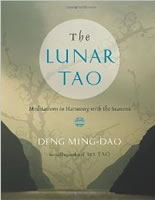
The Lunar Tao: Meditations in Harmony with the Seasons
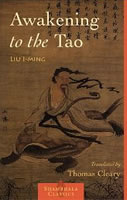
 By Lui I-Ming (1780) and translated by Thomas Cleary
Ripening Peaches: Taoist Studies and Practices By Mike Garofalo
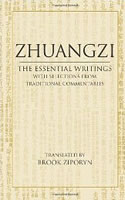
Zhuangzi: The Essential Writings with Selections from Traditional Commentaries
"Tao is ever inactive, and yet there is nothing that it does not do.
If princes and kings could keep to it, all things would of themselves become developed.
When they are developed, desire would stir in them;
I would restrain them by the nameless Simplicity,
In order to make them free from desire.
Free from desire, they would be at rest;
And the world would of itself become rectified.
However insignificant Simplicity seems, the whole world can not make it submissive.
If princes and kings could keep to it,
All things in the world would of themselves pay homage.
Heaven and earth would unite to send down sweet dew.
The people with no one to command them would of themselves become harmonious.
When merits are accomplished and affairs completed,
The people would speak of themselves as following nature."
- Translated by
Ch'u Ta-Kao, 1904, Chapter 37
|
Tao Te
Ching |
|||||||||
| 1 | 2 | 3 | 4 | 5 | 6 | 7 | 8 | 9 | 10 |
| 11 | 12 | 13 | 14 | 15 | 16 | 17 | 18 | 19 | 20 |
| 21 | 22 | 23 | 24 | 25 | 26 | 27 | 28 | 29 | 30 |
| 31 | 32 | 33 | 34 | 35 | 36 | 37 | 38 | 39 | 40 |
| 41 | 42 | 43 | 44 | 45 | 46 | 47 | 48 | 49 | 50 |
| 51 | 52 | 53 | 54 | 55 | 56 | 57 | 58 | 59 | 60 |
| 61 | 62 | 63 | 64 | 65 | 66 | 67 | 68 | 69 | 70 |
| 71 | 72 | 73 | 74 | 75 | 76 | 77 | 78 | 79 | 80 |
| 81 | |||||||||
"The Tao
is always "not-doing"
Yet there is nothing it doesn't do.
If the ruler is
able to embody it
Everything will naturally change.
Being changed,
they desire to act.
So I must restrain them, using the nameless "uncarved
block (original mind)."
Using the nameless uncarved block
They become
desireless.
Desireless, they are tranquil and
All-under-Heaven is
naturally settled."
- Translated by
Charles Muller, 1891, Chapter 37
"Der Sinn ist ewig ohne Machen,
und nichts bleibt ungemacht.
Wenn Fürsten und Könige ihn zu wahren verstehen,
so werden alle Dinge sich von selber gestalten.
Gestalten sie sich und es erheben sich die Begierden,
so würde ich sie bannen durch namenlose Einfalt.
Namenlose Einfalt bewirkt Wunschlosigkeit.
Wunschlosigkeit macht still,
und die Welt wird von selber recht."
- Translated by
Richard Wilhelm, 1911, Chapter 37
"Wunschlosigkeit und Frieden wirken der WeltVollkommenheit
Im Unergründlichen ist kein Wirken,
und doch wirkt das Nichtwirkende alles.
Wenn Fürsten und Könige sich ebenso
von ihm bestimmen ließen,
würde sich alles zum Besten gestalten.
Und wenn die Menschen dennoch Wünsche hätten,
so würde ich sie durch Herzenseinfalt überzeugen.
Herzenseinfalt führt zur Wunschlosigkeit.
Wo Wunschlosigkeit ist, ist Friede.
Wo Friede ist, ordnet sich die Welt von selbst."
- Translated
by Rudolf
Backofen, 1949, Chapter
"Tao endures without a name,
Yet nothing is left undone.
If kings and lords could possess it,
All beings would transform
themselves.
Transformed, they desire to create;
I quiet them through
nameless simplicity.
Then there is no desire.
No desire is serenity,
And the world settles of itself."
- Translated by
Stephen Addis, 1993, Chapter 37
Created by Michael P. Garofalo, Green Way Research, Valley Spirit Center, Gushen Grove Notebooks, Vancouver, Washington © 2011-2021 CCA 4.0
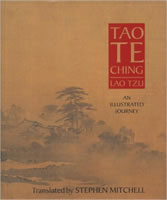
Tao Te Ching: An Illustrated Journey
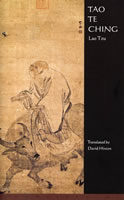
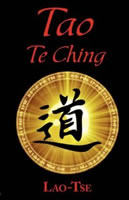
Tao Te Ching
The Book of Tao: Tao Te Ching - The Tao and Its Characteristics
Ripening Peaches: Taoist Studies and Practices
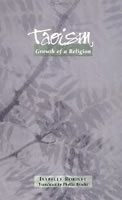
Taoism: Growth of a Religion
Zhuangzi (Chuang Tsu), Daoist Scripture: Bibliography, Links, Resources, Quotations, Notes
Zhuangzi: Basic Writings
Zhuangzi Speaks: The Music of Nature
Lifestyle Advice from Wise Persons
"The Tao is eternally actionless and the
cause of all action!
Were princes and monarchs able to acquiesce the myriad
existences would by degrees spontaneously transform.
Transforming and wishing to function I would immediately guide
by the simplicity of the nameless.
The simplicity of the nameless is akin to desirableness.
Desireless and at rest the world would naturally become
peaceful."
- Translated by
C.
Spurgeon Medhurst, 1905, Chapter 37
"Tao is real and free from action, yet nothing is not acted upon.
If rulers abide with it, all things transmute by themselves.
If, in the process of transmutation, intention emerges,
it must be overcome by the original non-differentiation of the nameless.
To experience the original non-differentiation of the nameless,
one should also be free from intending to have no-intention.
To be free from intending to have no-intention is to be quiescent.
Thereby, the world is naturally led to tranquility."
- Translated by
Chung Yuan Chang, Chapter 37
"Le Tao pratique constamment le non-agir et
pourtant il n'y a rien qu'il ne fasse.
Si les rois et les vassaux peuvent le conserver, tous les êtres se convertiront.
Si, une fois convertis, ils veulent encore se mettre en mouvement,
je les contiendrai à l'aide de l'être simple qui n'a pas de nom (c'est-à-dire le
Tao).
L'être simple qui n'a pas de nom, il ne faut pas même le désirer.
L'absence de désirs procure la quiétude.
Alors l'empire se rectifie de lui-même."
- Translated by
Stanislas
Julien, 1842, Chapter 37
"Dao doesn’t ever interfere.
High officials have the ability to apply the laws to them, but
all living things become transformed by themselves.
Transforming; and as desires arise they begin to be allayed due
to their anonymous simplicity.
So, they also begin to be satisfied.
Satisfied as well as calm, all living things become settled
within themselves."
- Translated by
Nina Correa, 2005, Chapter 37
Spanish
Language Versions of the Tao Te Ching (Daodejing)
Tao Te Ching en Español
Lao Tsé Tao Te Ching 
Tao Te Ching Traducido por Stephen Mitchell, versión española
Tao Te Ching Traducido al español por el Padre Carmelo Elorduy
Lao Tzu-The Eternal Tao Te Ching
Ripening Peaches: Taoist Studies and Practices By Mike Garofalo Maduración Duraznos: Estudios y Prácticas Taoístas por Mike Garofalo
Tao Te Ching
Lao Tzu - Tao Te Ching
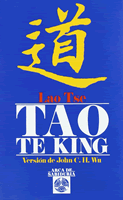
Tao te king
Daodejing Español, Inglés, y Chino Versiones Lingüísticas de la Daodejing
Spanish Language Translations of the Tao Te Ching
"El Tao no actúa, y así no deja nada por hacer.
Si uno entiende esto
Todas las cosas del Mundo florecen naturalmente;
Floreciendo, solo están restringidas por la Naturaleza.
La Naturaleza no tiene deseos;
Sin deseos, el corazón alcanza la tranquilidad,
Y así el Mundo en su totalidad puede permanecer en calma."
- Translated by
Antonio Rivas Gonzálvez, 1998, Capítulo
37
"El Tao, por su naturaleza, no actúa,
pero nada hay que no sea hecho por él.
Si los príncipes y los reyes
pudieran adherírsele,
todos los seres evolucionarían por sí mismos.
Si al evolucionar aún persistiera el deseo codicioso,
yo los retornaría a la simplicidad sin nombre.
En la simplicidad sin nombre no existe el deseo.
Sin deseos es posible la paz
y el mundo se ordenaría por sí mismo."
- Translation from
Wikisource, 2013, Capítulo
37
"El Tao nunca se esfuerza, pero nada se deja sin hacer.
Si los líderes fueran capaces de adherirse a ella las diez mil cosas
se desarrollaría por su propia voluntad.
Si después de haber desarrollado
experimentan deseos de esforzarse,
pueden enterrar esos deseos
bajo el bloque sin nombre Sin nombre.
El bloque sin nombre Uncarved puede proteger contra el deseo.
Cuando los deseos se frenan habrá paz,
y entonces todo bajo el cielo estará en reposo."
- Translated into English by
Tolbert
McCarroll,
1982, Chapter 37.
Spanish version from
Michael P.
Garofalo.
"El Tao constantemente no actúa, pero todo lo
hace.
Si príncipes y reyes pudieran retenerlo, todo se transformaría por sí
solo.
Si surgen deseos, consérvalos en el fondo, en aquella simplicidad que no
se puede definir.
La simplicidad que no tiene nombre está libre de deseos.
Si
no hay deseos todo está en paz y el mundo se endereza por sí mismo."
- Translation from
Logia Medio Dia, 2015,
Capítulo 37
"El dao, permanente, no tiene nombre;
si los señores y reyes pudieran conservarlo,
todos los seres se transformarían por sí solos.
Si al transformarse apareciera en ellos el deseo de levantar la cabeza,
yo los refrenaría con el trozo de madera sin nombre.
Refrenados mediante el trozo de madera sin nombre,
no se sentirán ofendidos.
Al no existir ofensas surgiría la tranquilidad,
y el cielo y la tierra se ordenarían espontáneamente."
- Translated by
Juan Ignacio
Preciado, 1978, Capítulo #37
"El Sentido permanece siempre inactivo,
y nada deja sin hacer.
Si príncipes y reyes se atienen a él,
todas las cosas se forman a sí mismas.
Si se suscitara la codicia,
yo la conjuraría por medio de la simplicidad
sin nombre.
La simplicidad sin nombre hace que se ausente el deseo.
La ausencia del deseo, tranquiliza,
y el mundo se arregla solo."
- Translation into Spanish from
Richard Wilhelm's 1911 German Version by an Unknown Spanish Translator,
2015, Capítulo37
Created by Michael P. Garofalo, Green Way Research, Valley Spirit Center, Gushen Grove Notebooks, Vancouver, Washington © 2011-2021 CCA 4.0
Coming Later ... 2022
I welcome email with commentary on this topic of Chapter 37 of the Tao Te Ching.
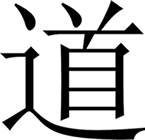
Next Chapter of the Tao Te Ching #38
Previous Chapter of the Tao Te Ching #36
Chapter and Thematic Index to the Tao Te Ching
Tao Te Ching
Commentary, Interpretations, Research Tools, Resources
Chapter 37
Das Tao Te King von Lao Tse. Complete versions of all 81 Chapters of the Tao Te Ching by many different translators in many languages: 124 English, 24 German, 14 Russian, 7 Spanish, 5 French and many other languages. Links are organized first by languages, and then alphabetically by translators. Formatting varies somewhat. The original website at Onekellotus went offline in 2012; but, the extensive collection of these Tao Te Ching versions was saved for posterity by the Internet Archive Wayback Machine and available as of 9/9/2015. This is an outstanding original collection of versions of the Daodejing─ the Best on the Internet. Caution: copyright infringement may sometimes be an issue at this website.
Tao Te Ching, Translations into English: Terebess Asia Online (TAO). 124
nicely formatted complete English language translations, on separate webpages, of the Daodejing.
Alphabetical index by translators. Each webpage has all 81 chapters of the Tao Te
Ching translated into English. A useful collection! Many
reformatted and colored versions from the original collection at
Das Tao Te King von Lao Tse. Caution: copyright infringement may
sometimes be an
issue at this website.
Lao Tzu: Te-Tao Ching - A New Translation Based on the Recently Discovered Ma-wang-tui
Texts (Classics of Ancient China)
Daodejing by Laozi: Chapters with Chinese characters, seal script,
detailed word by word concordance, Pinyin (tone#), German, French and English.
This is an outstanding resource for serious students of the Tao Te Ching.
Tao Te
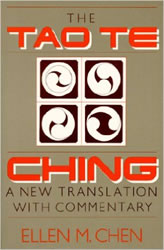
Ching: A New Translation and Commentary. By Ellen Chen. Paragon
House, 1998. Detailed glossary, index, bibliography, notes, 274 pages.
The Tao
and Method: A Reasoned Approach to the Tao Te Ching. By Michael
Lafargue. New York, SUNY Press, 1994. 640 pages. Detailed
index, bibliography, notes, and tables. An essential research tool.
Two Visions of the Way: A Study of the Wang Pi and the Ho-Shang Kung Commentaries on the Lao-Tzu.
By Professor by Alan Kam-Leung Chan. SUNY Series in Chinese
Philosophy and Culture. State University of New York Press, 1991.
Index, bibliography, glossary, notes, 314 pages.
ISBN: 0791404560.
Tao Te Ching: The Definitive Edition
Chinese Reading of the Daodejing
Wang Bi's Commentary on the Laozi with Critical Text and Translation.
By Professor Rudolf G. Wagner. A SUNY Series in Chinese Philosophy and
Culture. English and Mandarin Chinese Edition.
State University of New York Press; Bilingual edition (October 2003). 540
pages. ISBN: 978-0791451823.
Wang Bi (Wang Pi, Fusi), 226-249 CE,
Commentary on the Tao Te
Ching.
Tao Te Ching
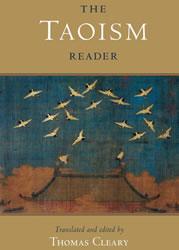
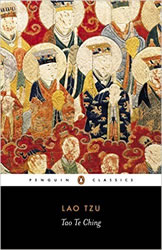
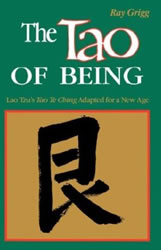
The Taoism Reader
Change Your Thoughts - Change Your Life: Living the Wisdom of the Tao
The Tao of Being: A Think and Do Workbook
The Lunar Tao: Meditations in Harmony with the Seasons
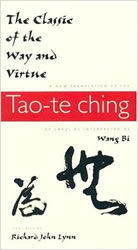
The Classic of the Way and Virtue: A New Translation of the Tao-te Ching of Laozi as Interpreted by Wang Bi.
Translated by Richard John Lynn. Translations from the Asian Classics
Series. New York, Columbia University Press, 1999. Extensive index,
glossaries, notes, 244 pages.
Tao Te Ching in Chinese characters,
Pinyin Romanization, English and German by Dr. Hilmar
Alquiros.
Stoicism and Hellenistic
Philosophy
How to Live a Good Life:
Advice from Wise Persons
One Old Philosopher's
Notebooks Research, Reading, and Reflections by Mike Garofalo.
Yellow Bridge
Dao De Jing Comparison Table Provides side by side comparisons of
translations of the Tao Te Ching by James Legge, D. T. Suzuki, and Dwight
Goddard. Chinese characters for each paragraph in the Chapter are on the
left; place your cursor over the Chinese characters to see the Pinyin
Romanization of the Chinese character and a list of meanings.
Translators Index,
Tao Te Ching Versions in English, Translators Sorted Alphabetically by Translator, Links to Books and
Online Versions of the Chapters
Taoism and the Tao Te
Ching: Bibliography, Resources, Links
Spanish Language
Translations of the Tao Te Ching, Daodejing en Español, Translators Index
The Tao of Zen
Chapter 41 in the
Rambling
Taoist Commentaries by Trey Smith. The
Rambling Taoists are Trey Smith and Scott Bradley.
By Hans-Georg Moeller. Columbia University Press, 2006, 176 pages.
Valley Spirit, Gu Shen,
Concept, Chapter 6
Valley Spirit Center in Red
Bluff, California.
Sacred
Circle in the Gushen Grove.
Lao-tzu's Taoteching
Reading Lao Tzu: A Companion to the Tao Te Ching with a New Translation
Dao De Jing: A Philosophical Translation
Thematic Index to the
81 Chapters of the Tao Te Ching
Lieh-Tzu: A Taoist Guide to Practical Living
Revealing the Tao Te Ching: In-depth Commentaries on an Ancient Classic
Cloud Hands Blog
Mike Garofalo writes about Mind-Body Arts, Philosophy, Taoism, Gardening, Taijiquan, Walking, Mysticism,
Qigong, and the Eight Ways.
The Whole Heart of Tao:
The Complete Teachings From the Oral Tradition of Lao Tzu.
Commentary on Chapter 37
“The Daojia do nothing, but they also say that nothing is left undone. Their substance is easy to practice, but their words are difficult to understand. Their techniques take emptiness and nothingness as the foundation and adaptation and compliance as the application. They have no set limits, no regular forms, and so are able to penetrate to the genuine basis of living things. Because they neither anticipate things nor linger over them, they are able to become the masters of all living things.
They have methods that
are no methods:
They take adapting to the seasons as their practice.
They have limits that are no limits:
They adapt to things by harmonizing with them.
Therefore they say:
The sage is not clever:
The seasonal alternations are what the sage preserves.
Emptiness is the constant in the Way.
Adaptation is the guiding principle of the ruler.”
-
Classical Daoism ― Is There Really Such a Thing? By Scott "Bao Pu"
Barnwell
Gushen Grove Notebooks for the Tao Te Ching
Green Way Research, Valley Spirit
Center, Gushen Grove Notebooks,
Red Bluff, California, 2011-2017; Vancouver, Washington, 2017-2021
Indexed and Compiled by
Michael P. Garofalo M.S.
This webpage was last edited, improved,
reformatted, corrected, modified or updated on
February 11, 2021.
This webpage was first distributed online on April 11, 2011.
Created by Michael P. Garofalo, Green Way Research, Valley Spirit Center, Gushen Grove Notebooks, Vancouver, Washington © 2011-2021 CCA 4.0
Brief Biography of Michael P. Garofalo, M.S.

Ripening Peaches: Daoist Studies and Practices
Zhuangzi (Chuang Tzu, Zhuang Zhou, Master Chuang) 369—286 BCE
Taoist Perspectives: My Reading List
Bodymind Theory and Practices, Somaesthetics
How to Live a Good Life: Advice from Wise Persons
Pleasures, Satisfaction, Desires
Qigong (Chi Kung) Health Practices
One Old Daoist Druid's Final Journey: Notebooks of the Librarian of Gushen Grove
Index to Cloud Hands and Valley Spirit Websites
Index to English Language Translators of the Tao Te Ching
Recurring Themes (Terms, Concepts, Leimotifs) in the Tao Te Ching
Spanish Language Translations of the Tao Te Ching
The Tao Te Ching (Dao De Jing) by Lao Tzu (Laozi) circa 500 BCE
|
Tao Te
Ching |
|||||||||
| 1 | 2 | 3 | 4 | 5 | 6 | 7 | 8 | 9 | 10 |
| 11 | 12 | 13 | 14 | 15 | 16 | 17 | 18 | 19 | 20 |
| 21 | 22 | 23 | 24 | 25 | 26 | 27 | 28 | 29 | 30 |
| 31 | 32 | 33 | 34 | 35 | 36 | 37 | 38 | 39 | 40 |
| 41 | 42 | 43 | 44 | 45 | 46 | 47 | 48 | 49 | 50 |
| 51 | 52 | 53 | 54 | 55 | 56 | 57 | 58 | 59 | 60 |
| 61 | 62 | 63 | 64 | 65 | 66 | 67 | 68 | 69 | 70 |
| 71 | 72 | 73 | 74 | 75 | 76 | 77 | 78 | 79 | 80 |
| 81 | |||||||||
Return to the Top of this Webpage