Classic of the Way and Virtue
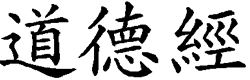
By Lao Tzu (Laozi)
Compiled and Indexed by Michael P. Garofalo
Green Way Research,
Valley Spirit Center, Gushen Grove Notebooks, Red Bluff, California
Chapter 26
Chapter 28
Index to All the Chapters
Daoism
Concordance
Cloud Hands Blog
Classic Book (Ching) about the Tao (Way, Nature, Patterns, Processes) and
Te (Virtue, Potency, Power, Integrity, Wise Person, Sage) Concordance: Indexing, Search
Terms, Topics, Themes, Keys, Subjects, Words
Electronic Concordance for all 81 Chapters of the Tao Te Ching English
Language Translations of the Tao Te Ching "A good traveler leaves no tracks, "The perfect traveler leaves no trail to be followed; "The skillful traveller leaves no wheel track; "Following the Tao, the Tao–Master leaves no tracks,
Created by Michael P. Garofalo,
Green
Way Research, Valley Spirit
Center, Gushen Grove Notebooks, Red Bluff, California, © 2015 CCA 4.0
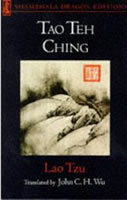
Tao Te Ching
Lao Tzu: Tao Te Ching
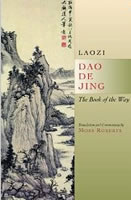
Dao De Jing: The Book of the Way
"A good traveler leaves no trace.
"A good traveler has no fixed plans "The able wanderer leaves no trail (or) trace "An experienced leader does not need a packaged tour to go places safely.
"Good walking leaves no tracks A Chinese Language Version of Chapter 27 of
the Tao Te Ching by Lao Tzu 善行無轍迹. shan hsing wu ch'ê chi.
Audio
Version in Chinese of Chapter 27 of the Tao Te Ching Tao Te Ching in Chinese characters and English (includes a word by word key)
from YellowBridge Tao Te
Ching in Chinese characters, Pinyin Romanization, English
and German by Dr. Hilmar Alquiros.
Laozi Daodejing: Chapters with Chinese characters, seal script, detailed
word by word concordance, Pinyin (tone#), German, French and English.
Chinese and English Dictionary, MDGB Dao De Jing
Wade-Giles Concordance by Nina, Dao is Open Dao De Jing English and Wade-Giles Concordance by Mike Garofalo Tao Te Ching in Pinyin Romanization with Chinese characters, WuWei
Foundation Tao Te Ching in Pinyin Romanization Tao
Te Ching in Chinese characters and English
Tao Te Ching in Chinese
characters, English, Word by word analysis, Zhongwen Tao Te Ching: The Definitive Edition Tao Te Ching in Chinese characters: Big 5 Traditional and GB Simplified
Chinese Characters, Wade-Giles and Pinyin Romanizations, and 16 English
Translations for Each Chapter of the Daodejing by Mike Garofalo. Tao Te Ching in Chinese characters, Pinyin and Wade Giles Romanization
spellings, English; a word for word translation of the Guodian Laozi Dao
De Jing Version.
Lao Zi's Dao De Jing: A Matrix Translation with Chinese Text by
Bradford Hatcher.
"The skillful traveler leaves no trace behind
him,
The skillful speaker says nothing that
falsely jars,
The skillful counter keeps no checks to
remind him,
The skillful locker requires no bolts or
bars,
And the skillful binder no cords, or knots or
strings,
Yet to afterwards open or loose are
impossible things.
So the sage in his goodness is ever a saver
of men,
No
man he rejects or loses,
And alike in his goodness a saver of things,
for then
He everything saves and uses,
And this is the inner enlightenment again,
Which comprehends and chooses.
So the good instructs the bad, the bad in
turn
Is material for the good; and not to prize
One's own instructor, not to love, but spurn
One's own material, would confuse the wise.
This mutual help and love make all men kin,
And mark the spirit divine, within."
"The skilful traveler leaves no traces of his wheels or
footsteps.
"Good (shan) running leaves no tracks,
"Perfect activity leaves no track behind it;
Created by Michael P. Garofalo,
Green
Way Research, Valley Spirit
Center, Gushen Grove Notebooks, Red Bluff, California, © 2015 CCA 4.0
Ripening Peaches: Taoist
Studies and Practices By Mike Garofalo
"Good travelers leave no trace nor track,
"Good doers leave no tracks.
"The conduct of the virtuous leaves neither trace nor
clue. "A good walker leaves no trace, a good speaker offends no one, a good reckoner needs no tally, "A good traveler leaves no tracks,
and a skillful speaker is well rehearsed.
Walking the Way: 81 Zen Encounters with the Tao Te Ching
The Tao of Zen
Tao Te Ching: Zen Teachings on the Taoist Classic
Buddhism and Taoism Face to Face: Scripture, Ritual, and
Iconographic Exchange in Medieval China
"He who walks in goodness leaves his trace in the Inner Life.
"A knower of the Truth travels without leaving a trace
"The master travels the natural path, which has no destination, and on
which no tracks can be left.
Further Teachings of Lao-Tzu: Understanding the Mysteries (Wen
Tzu)
The Lunar Tao: Meditations in Harmony with the Seasons
Ripening Peaches: Taoist
Studies and Practices By Mike Garofalo
Zhuangzi: The Essential Writings with Selections from Traditional
Commentaries
"A good walker makes no dust after him.
Tao Te
Ching
"A
good runner leaves no track. "Ein guter Wanderer läßt keine Spur zurück. "The master in his action is so complete
Created by Michael P. Garofalo,
Green
Way Research, Valley Spirit
Center, Gushen Grove Notebooks, Red Bluff, California, © 2015 CCA 4.0
Tao Te Ching: An Illustrated Journey
Tao Te Ching
The Book of Tao: Tao Te Ching - The Tao and Its Characteristics
Ripening Peaches: Taoist
Studies and Practices
Taoism: Growth of a Religion
Zhuangzi (Chuang Tsu),
Daoist Scripture: Bibliography, Links, Resources, Quotations, Notes
Zhuangzi: Basic Writings
Zhuangzi Speaks: The Music of Nature
Lifestyle Advice from Wise Persons
"One may move so well that a foot-print never shows, "A good traveler leaves no tracks. "The best action is free from marks either good or evil. "The best action is free from marks either good or evil. "Celui qui sait marcher dans le Tao ne laisse pas de
traces; celui qui sait parler ne commet point de fautes; Spanish
Language Versions of the Tao Te Ching (Daodejing)
Tao Te Ching
Traducido por
Stephen Mitchell,
versión
española
Tao Te Ching
Traducido al
español por el Padre
Carmelo
Elorduy
Lao Tzu-The Eternal Tao Te Ching
Ripening Peaches: Taoist
Studies and Practices By Mike Garofalo
Maduración
Duraznos: Estudios y
Prácticas Taoístas por Mike Garofalo
Tao Te Ching
Lao Tzu - Tao Te Ching
Tao te king
Daodejing
Español, Inglés, y
Chino Versiones Lingüísticas de
la Daodejing
Spanish
Language Translations of the Tao Te Ching "Un buen caminante no deja huellas. "El buen viajero no deja huella que pueda seguirse,
Created by Michael P. Garofalo,
Green
Way Research, Valley Spirit
Center, Gushen Grove Notebooks, Red Bluff, California, © 2015 CCA 4.0
Next Chapter of the Tao Te Ching #28
Previous Chapter of the Tao Te Ching #26
Chapter and Thematic Index to the Tao Te Ching Tao Te Ching
Das Tao Te King von Lao Tse. Complete versions of all 81 Chapters of
the Tao Te Ching by many different translators in many languages: 124
English, 24 German, 14 Russian, 7 Spanish, 5 French and many other languages.
Links are organized first by languages, and then alphabetically by translators. Formatting
varies somewhat. The original website at Onekellotus went offline in 2012; but, the
extensive collection of these Tao Te Ching versions was
saved for posterity by the Internet Archive Wayback Machine and available as of
9/9/2015. This is an outstanding original collection of
versions of the Daodejing─ the Best on the Internet. Caution:
copyright infringement may sometimes be an issue at this website.
The Taoism Reader
Gushen Grove Notebooks for the Tao Te Ching
Green Way Research, Valley Spirit
Center, Gushen Grove Notebooks, Red Bluff, California
This webpage was last modified or updated on
October 7, 2016.
Created by Michael P. Garofalo,
Green
Way Research, Valley Spirit
Center, Gushen Grove Notebooks, Red Bluff, California, © 2015 CCA 4.0
Brief Biography of Michael P. Garofalo, M.S.
Valley Spirit Center, Red Bluff, California
Study Chi Kung or Tai Chi
with Mike Garofalo
Zhuangzi (Chuang Tzu, Zhuang Zhou, Master Chuang) 369—286 BCE
Taoist Perspectives: My Reading List
Bodymind Theory and
Practices, Somaesthetics
How to Live a Good Life:
Advice from Wise Persons
Qigong (Chi Kung) Health
Practices
One Old Daoist Druid's Final Journey: Notebooks of the Librarian of Gushen Grove
Index to Cloud Hands and Valley Spirit Websites
Index to English Language Translators of the Tao Te Ching The Tao Te Ching (Dao De Jing)
by Lao Tzu (Laozi) circa 500 BCE Return to the Top of
this Webpage Tao Te
Ching
Chapter 27
Tao Te Ching
(Dao De Jing) by Lao Tzu
English and Chinese (Wade-Giles) Terms: Traveler, Walker or
Hiker or Traveler (hsing), Speaker, Essential or Significant (yao),
Error or Reproach (chai), Planner, Talents, Tao,
Enlightened, Sage, Subtle, Knots or Bindings (chieh), Equality, Latch or
Bolt (kuan), Details, Guide, Talker or Speaker (yen), Dao, Sage,
Tool, Waste, Economy, Teacher or Instructor or Tutor (shih), Esteem or
Value (kuei), Clever or Intelligent (chih), Practicality, Teaching,
Things or Beings (wu), Learning from Everything, Save or Rescue (chiu),
Resources or Valuables (tzu), Counting or Tally (ch'ou), Skillful, Mastery, No Talents are Wasted,
The Function of Skill, Rope or Cords (shêng), String (yo), Paradoxical,
Track or Rut (ch'ê), Dexterity in Using the Dao, Follow or Practice or
Cover (hsi), Confused or Deluded (mi), Cultivating
Perfection, Calculator or Tally Slips (ts'ê), Calculating or Accounting (shu),
Open (k'ai), Bad, Shut or Lock (pi), Flaw or Blemish (hsia),
Reject or Forsake (ch'i), Holy Man or Sage (shêng jen), Light or
Brilliant or Insight or Mystical Vision (ming), Love or Cherish or Care (ai), Good
or Excellent (shan), Loosen or Untie (chieh), Spiritual,
Trace or Footprints (chi), A Good Walker Leaves no Tracks, Mystery or
Secret or Subtle (miao), 巧用
Términos en Español:
Viajero, Caminante, Orador, Viajero, Cerrar, Altavoz, Planificador,
Talentos, Iluminados,
Sabio, Santos, Sutil, Nudos,
Cuerda, Desatar, Desechar, Igualdad, Detalles,
Guía, Residuos,
Imprefección, Luz, Perspicacia, Informado, Místico, Contador, Economía,
Cuenta, Reproche, Hábil,
Maestría, Tutor, Preceptor, Apreciar,
Querer, Paradójico,
Rodera, Salvar, Cosas, Efectos, Carril, Malo, Práctica, Bueno,
Deluded, Engañarse, Huella, Pisada, Abierto, Inteligente, Astuto, Pestillo,
Valores, Estima, Respeto, Espiritual, Esencial, Importante,
Misterio, Secreto, Espiritual.
A good speaker is without flaw.
A good planner does not calculate.
A good doorkeeper does not lock, yet it cannot be opened.
A good knotter does not use binding, yet it cannot be undone.
Therefore, the sage is good at his earnest demands upon people.
So no one is left out.
No talent is wasted.
This is called being in the tow of enlightenment.
And it ensures the good person.
For everything that is good is the teacher of the good person.
For everything that is bad becomes the resource for the good person.
No need to honor the teachers.
No need to love the resources.
Though knowing this is a great paradox,
It is the subtle principle."
- Translated by
Edward Brennan and Tao
Huang, 2002, Chapter 27
The perfect speaker leaves no question to be answered;
The perfect accountant leaves no working to be completed;
The perfect container leaves no lock to be opened;
The perfect knot leaves no end to be raveled.
So the sage nurtures all men
And abandons no one.
He accepts everything
And rejects nothing.
He attends to the smallest details.
So the strong must guide the weak,
For the weak are raw material for the strong.
If the guide is not respected,
Or the material is not cared for,
Confusion will result, no matter how clever one is.
This is the secret of perfection;
When raw wood is carved, it becomes a tool;
When a man is employed, he becomes a tool;
The perfect carpenter leaves no wood to be carved."
- Translated by
Peter A. Merel,
1992, Chapter 27
the skillful speaker makes no slip of the tongue;
the skillful reckoner uses no tallies;
the skillful closer needs no bolts, while it is impossible to open what he
has shut;
the skillful binder uses no strings or knots, while it is impossible to
loosen what he has bound.
In the same way the sage is always skillful at saving men, and there is no
rejected person;
he is always skillful at saving things, and there is no rejected thing.
This is called 'procuring enlightenment.'
Therefore the man of skill is a master of he who has no skill;
and he who has no skill is the servant of he who has skill.
If one does not value his master, and the other does not love his servant,
intelligent as they are, they might be perplexed."
- Translated by
Shifu Hwang, Chapter 27
speaks without error, counts without markers.
No locks on his door, and yet no one can open it.
No rope used, and yet his knots cannot be untied.
Thus, the Tao–Master cares for all beings and neglects none.
Thus, he follows the light.
The Tao–Master teaches the fool; and thus the fool learns.
But teaching and learning will not take place
unless the student values the teacher
and the teacher loves the student.
This is the subtle secret of teaching and learning."
- Translated by
George Cronk, 1999, Chapter 27

This webpage work is licensed under a Creative Commons Attribution-NonCommercial-NoDerivatives 4.0 International License.


A good speaker makes no slips.
A good accountant uses no devices.
A good door needs no bolts to remain shut.
A good fastener needs no rope to hold its bond.
Therefore the wise are good at helping people,
and consequently no one is rejected.
They are good at saving things,
and consequently nothing is wasted.
This is called using the Light.
Therefore the good teach the bad,
and the bad are lessons for the good.
Those who neither value the teacher nor care for the lesson
are greatly deluded, though they may be learned.
Such is the essential mystery."
- Translated by
Sanderson Beck,
1996, Chapter 27
and is not intent upon arriving.
A good artist lets his intuition
lead him wherever it wants.
A good scientist has freed himself of concepts
and keeps his mind open to what is.
Thus the Master is available to all people
and doesn't reject anyone.
He is ready to use all situations
and doesn't waste anything.
This is called embodying the light.
What is a good man but a bad man's teacher?
What is a bad man but a good man's job?
If you don't understand this, you will get lost,
however intelligent you are.
It is the great secret."
- Translated by
Stephen Mitchell,
2006, Chapter 27
The able speaker is without fallacy (or) error
The able reckoner does not use counting devices
The best closure uses no barrier (or) bar
And yet is not easily opened
The best binding uses no cord (or) knot
And yet is not easily loosened
And so it is that wise ones
Are ever so skilled at making the most of others
That no person is forsaken
Are ever so skilled at making the most of situations
That no situation is wasted
This may be called “practical wisdom”
And so the able one is the less than able one’s teacher
The less than able one is the able one’s resource
To not value one’s teacher, to not care for one’s resource,
However “prudent” is greatly deluded
This may be called a “tactical mystery." "
- Translated by
Bradford Hatcher, 2005, Chapter 27
A good political speech does not need to make promises or antagonize the
crowd.
A good mathematician does not need a computer to solve every problem.
A secure home does not have bolts and bars and locks and alarms everywhere,
yet a burglar cannot get inside.
The wise leader's ability does not rest on techniques or gimmicks or set
exercises.
The method of awareness-of-process applies to all people and all
situations.
The leader's personal state of consciousness creates a climate of openness.
Center and ground give the leader stability, flexibility, and endurance.
Because the leader sees clearly, the leader can shed light on others.
The group members need the leader for guidance and facilitation.
The leader
needs people to work with, people to serve.
If both do not recognize the
mutual need to love and respect one another, each misses the point.
They miss the creativity of the student-teacher polarity.
They do not see
how things happen."
- Translated by John
Heider, 1985, Chapter 27
Simple Taoism: A Guide to Living in Balance

The Tao of Daily Life: The Mysteries of the Orient Revealed

Everyday Tao: Living with Balance and Harmony

Ripening Peaches: Taoist Studies and Practices
The Tao of Pooh

Scholar Warrior: An Introduction to the Tao in Everyday Life

Vitality, Energy, Spirit: A Taoist Sourcebook

good talking reveals no flaws
good counting counts no beads
good closing locks no locks
and yet it can't be opened
good tying ties no knots
and yet it can't be undone
thus the sage is good at saving others
and yet abandons no one
nor anything of use
this is called cloaking the light
thus, the good instruct the bad
the bad learn from the good
not honoring their teachers
not cherishing their students
the wise alone are perfectly blind
this is called peering into the distance."
- Translated by
Red Pine, 1996,
Chapter 27
A
note
on my style of displaying the Chinese characters of the Tao Te Ching
善言無瑕讁.
善數不用籌策.
善閉無關楗而不可開.
善結無繩約而不可解.
是以聖人常善救人, 故無棄人.
常善救物.
故無棄物,
是謂襲明.
故善人者, 不善人之師.
不善人者, 善人之資.
不貴其師, 不愛其資, 雖智大迷.
是謂要妙.
- Chinese characters, Tao Te Ching, Chapter 27
shan yen wu hsia chai.
shan shu pu yung ch'ou ts'ê.
shan pi wu kuan chien erh pu k'o k'ai.
shan chieh wu shêng yo erh pu k'o chieh.
shih yi shêng jên ch'ang shan chiu jên, ku wu ch'i jên.
ch'ang shan chiu wu.
ku wu ch'i wu shih wei hsi ming.
ku shan jên chê, pu shan jên chih shih.
pu shan jên chih, shan jên chih tzu.
pu kuei ch'i shih, pu ai ch'i tzu, sui chih ta mi.
shih wei yao miao.
- Wade-Giles Romanization, Tao Te Ching, Chapter 27
shan xing wu zhe ji.
shan yan wu xia zhe.
shan shu bu yong chou ce.
shan bi wu guan jian er bu ke kai.
shan jie wu sheng yue er bu ke jie.
shi yi sheng ren chang shan jiu ren, gu wu qi ren.
chang shan jiu wu.,
gu wu qi wu shi wei xi ming.
gu shan ren zhe, bu shan ren zhi shi.
bu shan ren zhe, shan ren zhi zi.
bu gui qi shi, bu ai xi qi zi, sui zhi da mi.
shi wei yao miao.
-  Pinyin Romanization, Daodejing, Chapter 27
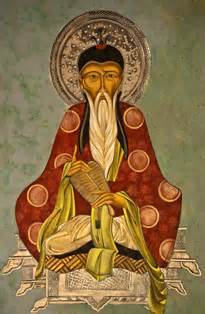

- Translated by
Isaac Winter Heysinger, 1903, Chapter 27
Lieh-Tzu: A Taoist Guide to Practical Living

The Daodejing of Laozi

Daoism: A Beginner's Guide

Early Daoist Scriptures

Lifestyle Advice from Wise Persons
Simple Taoism: A Guide to Living in Balance
Practical Taoism

Daoism and Chinese Culture

The skilful speaker says nothing that can be found fault with or blamed.
The skilful reckoner uses no tallies.
The skilful closer needs no bolts or bars, while to open what he has shut will
be impossible.
The skilful binder uses no strings or knots, while to unloose what he has bound
will be impossible.
In the same way the sage is always skilful at saving men, and so he does not
cast away any man;
He is always skilful at saving things, and so he does not cast away anything.
This is called 'Hiding the light of his procedure.'
Therefore, the man of skill is a master to be looked up to by him who has not
the skill.
He who has not the skill is the helper of the reputation of him who has the
skill.
If the one did not honor his master, and the other did not rejoice in his
helper, an observer, though intelligent, might greatly err about them.
This is called 'The utmost degree of mystery.'"
- Translated by
James Legge, 1891,
Chapter 27
Good speech has no flaws,
Good counting uses no counters,
A good lock uses no bolts yet cannot be opened,
A good knot uses no rope yet cannot be untied.
Hence the sage is always good at saving people,
Therefore no one is rejected.
He is always good at saving things,
Therefore nothing is rejected.
This is called following the light (ming).
Therefore the good person,
Is the not-good (pu-shan) person's teacher.
The not-good (pu-shan) person,
Is the good person's capital.
One who does not honor (kuei) the teacher,
Or love (ai) the capital,
Is greatly confounded though knowledgeable (chih).
This is called the important mystery (miao)."
- Translated by
Ellen Marie Chen, 1989, Chapter 27
Perfect speech is like a jade-worker whose tool leaves no mark.
The perfect reckoner needs no counting-slips;
The perfect door has neither bolt nor bar,
Yet cannot be opened.
The perfect knot needs neither rope nor twine,
Yet cannot be united.
Therefore the Sage
Is all the time in the most perfect way helping men,
He certainly does not turn his back on men;
Is all the time in the most perfect way helping creatures,
He certainly does not turn his back on creatures.
This is called resorting to the Light.
Truly, “the perfect man is the teacher of the imperfect;
But the imperfect is the stock-in-trade of the perfect man”.
He who does not respect his teacher,
He who does not take care of his stock-in-trade,
Much learning through he may possess, is far astray.
This is the essential secret."
- Translated by
Arthur Waley, 1934, Chapter 27
This webpage work is licensed under a Creative Commons Attribution-NonCommercial-NoDerivatives 4.0 International License.
Revealing the Tao Te Ching: In-Depth Commentaries on an Ancient Classic

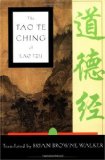
Tao Te Ching

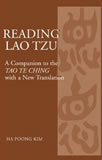
Reading Lao Tzu: A Companion to the Tao Te Ching with a New Translation

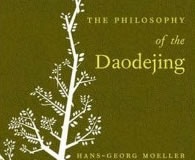
The Philosophy of the Daodejing

Dao De Jing: A Philosophical Translation
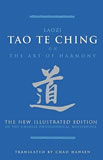
Tao Te Ching on The Art of Harmony
By Chad Hansen.

The Way and Its Power: Lao Tzu's Tao Te Ching and Its Place in Chinese Thought

Good speakers, in logic show no lack,
Good counters need no counting rack.
Good lockers bolting bars need not,
Yet none their locks can loose.
Good binders need no string nor knot,
Yet none unties their noose.
Therefore the holy man is always a good savior of men, for there are no outcast
people.
He is always a good savior of things, for there are no outcast things.
This is called applied enlightenment.
Thus the good man does not respect multitudes of men.
The bad man respects the people's wealth.
Who does not esteem multitudes nor is charmed by their wealth, though his
knowledge be greatly confused,
He must be recognized as profoundly spiritual."
- Translated by
Daisetsu
Teitaro Suzuki and Paul Carus, 1913, Chapter 27
A good speaker makes neither slips nor errors;
A good calculator uses neither wooden chips nor bamboo chips;
A good door-shutter has neither latch nor lock,
Yet, the door he shuts cannot be opened;
A good knot-tier has neither rope nor string,
Yet, the knot he ties cannot be untied.
Hence, the sage man
Was constantly good at rescuing men
So that there were no cast-off men;
As for things,
There were no cast-off goods.
This is called surpassing insight.
Hence, good men are good men's teachers;
Evil men, good men's wealth.
He who neither values his teachers,
Nor cherishes his wealth,
Though crafty, is but a big fool.
This is called subtle essence."
- Translated by
Chichung Huang, Chapter 27
True words have no defects.
Skillful plans
require no calculations.
Able closers need no locks and bars, yet none
can open what they shut.
Real strength wants no cords, yet none can
loose it.
It follows that the Holy Man when helping others, works in accordance with the unchanging goodness.
Hence, he rejects none.
He does the same when helping nature to develop.
Therefore, he rejects nothing.
This may be called “obscure perception.”
Thus a Good Man is the bad man’s instructor; the bad man the Good Man’s
material.
Yet he does not esteem himself a teacher, nor does he love his
material.
Although one may be wise, here he is deceived.
This is called “The Cardinal Mystery.”"
- Translated by
C. Spurgeon Medhurst, 1905, Chapter 27
The Complete Works of Lao Tzu: Tao Teh Ching & Hua Hu Ching

The Tao Te Ching of Lao Tzu

Tao Te Ching

Tao - The Way

Taoism: An Essential Guide

The words of the virtuous afford no ground for fault-finding.
The projects of the virtuous require no intrigue.
When the virtuous are obstructed in their policy, though there be no bolt to the
door which shuts them in, it yet cannot be opened.
When the virtuous enter into relations with others, though they be not bound by
the ties of contract, they yet may not release themselves from their
obligations.
Thus the Sage ever uses his goodness in saving others; and therefore there are
none who are abandoned.
He ever uses his goodness in saving the inanimate creation; and therefore there
are none of these who are abandoned.
This is called being doubly enlightened.
Wherefore the virtuous man is the teacher, or patron, of the bad man, while the
bad man is employed as material, on which to work, by the virtuous man.
If the bad man does not reverence the other as his teacher, nor the good man
love the former as his material; then, in spite of any wisdom either may
possess, they are both greatly blinded.
This doctrine is both important and sublime."
- Translated by
Frederic H. Balfour,
1884, Chapter 27
an expert locksmith can make one that no one can open, an expert on
knots can make them so that no one can untie them.
All specialists have
their speciality, which makes their fame, from which they take their
profit.
Likewise the Sage (Confucian politician), the professional saviour of men and things, has his own procedures.
He considers himself as the born master of other men, regarding them as
material born for his craft.
Now that is to blind oneself, (to shade out
the light, the Daoist principles).
Not wishing to rule, nor to appropriate, others; although wise,
seeming
like a madman (persisting to live in retreat); this is the essential
truth."
- Translated by
Derek Bryce, 1999, Chapter 27
A good bookkeeper has an excellent memory,
and a well made door is easy to open and needs no locks.
A good knot needs no rope and it can not come undone.
Thus the Master is willing to help everyone,
and doesn't know the meaning of rejection.
She is there to help all of creation,
and doesn't abandon even the smallest creature.
This is called embracing the light.
What is a good person but a bad person's teacher?
What is a bad person but raw material for his teacher?
If you fail to honor your teacher or fail to enjoy your student,
you will become deluded no matter how smart you are.
It is the secret of prime importance."
- Translated by
John H. McDonald, 1996, Chapter 27 


He who speaks in goodness carries no blame to the Inner Life.
He who reckons in goodness does not need to use a tally.
The good man has power to close the inner door and no one can open it.
The good man has power to tie the inner knot and no one can untie it.
That is why the self-controlled man always uses goodness in helping men, thus he
draws them to the Inner Life.
He always uses goodness in helping creatures, thus he draws them to the Inner
Life.
This is called being doubly illuminated.
Therefore the good man masters the man who is not good,
And the man who is not good is helper to the good man.
He who does not honour his master,
He who does not love his helper,
Though counted wise, is greatly deceived.
This is called important and mysterious."
- Translated by
Isabella Mears, 1916, Chapter 27
speaks
without causing harm
gives without keeping an account
The doors he shuts, though having no lock, cannot be opened
The knot he ties, though using no cord, cannot be undone
The Sage is always on the side of virtue
so everyone around him
prospers
He is always on the side of truth
so everything around him is
fulfilled
The path of the Sage is called he Path of Illumination
He
who gives himself to this path is like a block of wood that
gives itself to the chisel
Cut by cut it is honed to
perfection
Only a student who gives himself can receive the master gift
If you think otherwise, despite your knowledge, you have
blundered
Giving and receiving are one
This is called, "The great wonder? The essential mystery?
The very
heart of all that is true?"
- Translated by
Johathan Star, 2001, Chapter 27
A good trader follows the market wherever
it goes.
A good teacher lets the students guide him.
A master is present
for all, both saints and sinners.
All situations are used and nothing
is dismissed.
This is called spreading the light.
A man, who considers
himself good, must be intimate with that which is bad.
A man, who
considers himself bad, must know the good.
Therefore the master sees no
distinction between the two.
For this reason the master and disciple are
equal."
- Translated by
David Bullen, Chapter 27


The good speaker incurs no discussion.
The good reckoner needs no arithmetic.
The good keeper needs no bolts or bars, and none can open after him.
The wise man is constant and a good helper of his fellows.
He rejects none.
He is a continual good preserver of things.
He disdains nothing.
His intelligence is all-embracing.
Good men instruct one another; and bad men are the material they delve in.
Whoever, therefore, does not honour his teacher and cherish his material, though
he be called wise, is yet in a state of delusion.
This is no less important than strange."
- Translated by
Walter Gorn Old, 1904, Chapter 27
Chapter Number Index
Standard Traditional Chapter Arrangement of the Daodejing
Chapter Order in Wang Bi's Daodejing Commentary in 246 CE
Chart by Mike Garofalo
Subject Index
1
2
3
4
5
6
7
8
9
10
11
12
13
14
15
16
17
18
19
20
21
22
23
24
25
26
27
28
29
30
31
32
33
34
35
36
37
38
39
40
41
42
43
44
45
46
47
48
49
50
51
52
53
54
55
56
57
58
59
60
61
62
63
64
65
66
67
68
69
70
71
72
73
74
75
76
77
78
79
80
81
A good speech leaves no flaws for attack.
A good reckoner makes use of no counters.
A well-shut door makes use of no bolts, and yet cannot be opened.
A well-tied knot makes use of no rope, and yet cannot be untied.
Therefore
the Sage is good at helping men; for that reason there is no rejected person.
He is good at saving things; for that reason there is nothing rejected.
This is called stealing the Light.
Therefore
the good man is the Teacher of the bad.
And the bad man is the lesson of the good.
He
who neither values his teacher
Nor loves the lesson
Is one gone far astray,
Though he be learned.
Such is the subtle secret."
- Translated by
Lin Yutang,
1955, Chapter 27
Ein gutes Redner braucht nichts zu widerlegen.
Ein guter Rechner braucht keine Rechenstäbchen.
Ein gutes Schließer braucht nicht Schloß noch Schlüssel,
und doch kann niemand auftun.
Ein guter Binder braucht nicht Strick noch Bänder,
und doch kann niemand lösen.
Der Berufene versteht es immer gut, die Menschen zu retten;
darum gibt es für ihn keine verworfenen Menschen.
Er versteht es immer gut, die Dinge zu retten;
darum gibt es für ihn keine verworfenen Dinge.
Das heißt die Klarheit erben.
So sind die guten Menschen die Lehrer der Nichtguten,
und die nichtguten Menschen sind der Stoff für die Guten.
Wer seine Lehrer nicht werthielte
und seinen Stoff nicht liebte,
der wäre bei allem Wissen in schwerem Irrtum.
Das ist das große Geheimnis."
- Translated by Richard Wilhelm, 1911, Chapter
27
that he leaves no trace behind.
The master in his conversation is so balanced
that he leaves no discord behind.
The master in his thinking is so original
that he depends on no external authority.
The master in protecting people is so skillful
that, without any visible means, he renders all attempts for invasion
ineffectual.
The master in uniting people is so adept
that, without any visible means, he renders all efforts for disunity
ineffectual.
Thus, the master, without abandoning anyone, is always good at empowering
people
And, without abandoning anything, is always good at utilizing things.
This is the all-embracing wisdom of the Tao.
Hence, the virtuous is the teacher of the non-virtuous,
While the non-virtuous serves as the lessons for the virtuous.
If you value not your teacher or cherish not your lessons,
No matter how intelligent and informed you are, you are greatly deluded.
This is the essential, subtle truth of the Tao."
- Translated by
Yasuhiko Genku Kimura, Chapter 27
This webpage work is licensed under a Creative Commons Attribution-NonCommercial-NoDerivatives 4.0 International License.


Speak so well that the tongue never slips,
Reckon so well that no counter is
needed,
Seal an entrance so tight, though using no lock,
That it cannot be
opened,
Bind a hold so firm, though using no cord,
That it cannot be
untied.
And these are traits not only of a sound man
But of many a man
thought to be unsound.
A sound man is good at salvage,
At seeing that
nothing is lost.
Having what is called insight,
A good man, before he can
help a bad man,
Finds in himself the matter with the bad man.
And
whichever teacher
Discounts the lesson
Is as far off the road as the
other,
Whatever else he may know.
That is the heart of it."
- Translated by
Witter Bynner, 1944, Chapter 27
A good speaker is without flaw.
A good planner does not calculate.
A good doorkeeper does not lock, yet it cannot be opened.
A good knotter does not use binding, yet it cannot be undone.
Therefore, the sage is good at his earnest demands upon people.
So no one is left out.
No talent is wasted.
This is called being in the tow of enlightenment,
And it ensures the good person.
For everything that is good is the teacher of the good person.
Everything that is bad becomes a resource for the good person.
No need to honor the teachers.
No need to love the resources.
Though knowing this is a great paradox,
It is the subtle principle."
- Translated by
Tao Huang, Chapter 27
The best words are free from stains either good or bad.
The best calculator is free from calculation and measure.
The best closure has no bolts, yet it cannot be opened.
The best knot has no cord, yet it cannot be untied.
Thus, the wise knows how to rescue men; hence, no one is excluded.
He also knows how to rescue things; hence, nothing is excluded.
This is called penetration to illumination.
Therefore, the virtuous is the model for the unvirtuous.
The unvirtuous is the origin of the virtuous.
If one does not appreciate the virtuous or cherish the unvirtuous,
Although one is intelligent, one is not free from confusion.
This is called the indispensable wonder."
- Translated by
Chang Chung-Yuan, Chapter 27
The best words are free from stains either good or bad.
The best calculator is free from calculation and measure.
The best closure has no bolts, yet it cannot be opened.
The best knot has no cord, yet it cannot be untied.
Thus, the wise knows how to rescue men; hence, no one is excluded.
He also knows how to rescue things; hence, nothing is excluded.
This is called penetration to illumination.
Therefore, the virtuous is the model for the unvirtuous.
The unvirtuous is the origin of the virtuous.
If one does not appreciate the virtuous or cherish the unvirtuous,
Although one is intelligent, one is not free from confusion.
This is called the indispensable wonder."
- Translated by
Chang Chung-Yuan, Chapter 27
celui qui sait compter ne se sert point d'instruments de calcul;
celui qui sait fermer quelque chose ne se sert point de verrou, et il est
impossible de l'ouvrir;
celui qui sait lier quelque chose ne se sert point de cordes, et il est
impossible de le délier.
De là vient que le Saint excelle constamment à sauver les hommes; c'est pourquoi
il n'abandonne pas les hommes.
Il excelle constamment à sauver les êtres; c'est pourquoi il n'abandonne pas les
êtres.
Cela s'appelle être doublement éclairé.
C'est pourquoi l'homme vertueux est le maître de celui qui n'est pas vertueux.
L'homme qui n'est pas vertueux est le secours de l'homme vertueux.
Si l'un n'estime pas son maître, si l'autre n'affectionne pas celui qui est son
secours,
quand on leur accorderait une grande prudence, ils sont plongés dans
l'aveuglement.
Voilà ce qu'il y a de plus important et de plus subtil!"
- Translated by Stanislas Julien, 1842, Chapter 27
Tao Te Ching en Español
Lao Tsé Tao Te Ching 
Lifestyle Advice from Wise Persons
Consejos
de Estilo de Vida de
Sabios


 "Buen caminante no deja
huellas.
"Buen caminante no deja
huellas.
Buen orador no ofrece blancos.
Buen
contador no necesita ábacos.
Buen cerrajero no usa cerrojos y sin
embargo no se puede abrir.
Amarra bien sin cuerdas
ni nudos y nadie podrá desenredar.
Por eso, el sabio, elige ayudar a
los hombres.
No rechaza a los hombres.
Prefiere
salvar las cosas.
No rechaza las cosas.
Esto es ocultar su claridad.
Luego: el hombre bueno es maestro del hombre no bueno y el hombre no bueno es su buen material.
Porque el buen
maestro no tiene interés, porque a su material no
le tiene apego.
Permanece oscuro a pesar de ser resplandeciente.
Este
es el secreto esencial del Tao."
- Translation by
Anonymous, Capítulo
27
Un buen orador no se equivoca ni ofende.
Un buen contable no necesita útiles de cálculo.
Un buen cerrajero no usa barrotes ni cerrojos,
y nadie puede abrir lo que ha cerrado.
Quien ata bien no utiliza cuerdas ni nudos,
y nadie puede desatar lo que ha atado.
Así, el sabio siempre ayuda a los hombres,
por eso a nadie desampara.
El sabio siempre salva a las cosas,
por eso a ninguna descuida.
De él se dice que está deslumbrado por la luz.
Por esto, el hombre bueno no se considera maestro
de los hombres, sino que les enseña;
y el hombre que no es bueno estima como buenas las
riquezas que de los hombres obtiene.
No amar el magisterio ni la materia de los hombres,
y aparentar ignorancia, siendo iluminado,
Este es un principio esencial del Tao."
- Translation from
Wikisource, 2013, Capítulo
27
El buen hablador no deja palabras que puedan ser cuestionadas,
El buen contable no deja cálculo sin comprobar,
El buen cerrajero no deja cerradura que pueda ser forzada,
El buen atador no deja nudo que pueda ser deshecho.
Así, el sabio cuida a todos los hombres
y no abandona a ninguno.
Acepta todo y no rechaza nada.
Atiende hasta el menor detalle.
Así el fuerte debe guiar al débil,
pues el débil es el material de donde hacer a los fuertes.
Si la guía no es respetada
O el material no es cuidado
Se origina confusión, no importa cuan inteligente sea uno.
Esta es la esencia de la sutileza."
- Translated by
Antonio Rivas Gonzálvez, 1998, Capítulo
27
This webpage work is licensed under a Creative Commons Attribution-NonCommercial-NoDerivatives 4.0 International License.
Commentary, Interpretations, Research Tools, Resources
Chapter 27
Tao Te Ching, Translations into English: Terebess Asia Online (TAO). 124
nicely formatted complete English language translations, on separate webpages, of the Daodejing.
Alphabetical index by translators. Each webpage has all 81 chapters of the Tao Te
Ching translated into English. A useful collection! Many
reformatted and colored versions from the original collection at
Das Tao Te King von Lao Tse. Caution: copyright infringement may
sometimes be an
issue at this website.
Lao Tzu: Te-Tao Ching - A New Translation Based on the Recently Discovered Ma-wang-tui
Texts (Classics of Ancient China)
Daodejing by Laozi: Chapters with Chinese characters, seal script,
detailed word by word concordance, Pinyin (tone#), German, French and English.
This is an outstanding resource for serious students of the Tao Te Ching.
Tao Te
Ching: A New Translation and Commentary. By Ellen Chen. Paragon
House, 1998. Detailed glossary, index, bibliography, notes, 274 pages.
The Tao
and Method: A Reasoned Approach to the Tao Te Ching. By Michael
Lafargue. New York, SUNY Press, 1994. 640 pages. Detailed
index, bibliography, notes, and tables. An essential research tool.
Two Visions of the Way: A Study of the Wang Pi and the Ho-Shang Kung Commentaries on the Lao-Tzu.
By Professor by Alan Kam-Leung Chan. SUNY Series in Chinese
Philosophy and Culture. State University of New York Press, 1991.
Index, bibliography, glossary, notes, 314 pages.
ISBN: 0791404560.
Tao Te Ching: The Definitive Edition
Chinese Reading of the Daodejing
Wang Bi's Commentary on the Laozi with Critical Text and Translation.
By Professor Rudolf G. Wagner. A SUNY Series in Chinese Philosophy and
Culture. English and Mandarin Chinese Edition.
State University of New York Press; Bilingual edition (October 2003). 540
pages. ISBN: 978-0791451823.
Wang Bi (Wang Pi, Fusi), 226-249 CE,
Commentary on the Tao Te
Ching.
Tao Te Ching
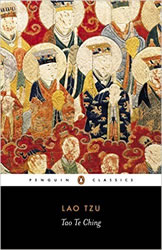
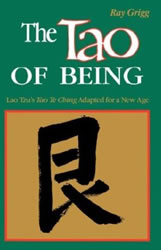

Change Your Thoughts - Change Your Life: Living the Wisdom of the Tao
The Tao of Being: A Think and Do Workbook
The Lunar Tao: Meditations in Harmony with the Seasons
The Classic of the Way and Virtue: A New Translation of the Tao-te Ching of Laozi as Interpreted by Wang Bi.
Translated by Richard John Lynn. Translations from the Asian Classics
Series. New York, Columbia University Press, 1999. Extensive index,
glossaries, notes, 244 pages.
Tao Te Ching in Chinese characters,
Pinyin Romanization, English and German by Dr. Hilmar
Alquiros.
Stoicism and Hellenistic
Philosophy
How to Live a Good Life:
Advice from Wise Persons
One Old Philosopher's
Notebooks Research, Reading, and Reflections by Mike Garofalo.
Yellow Bridge
Dao De Jing Comparison Table Provides side by side comparisons of
translations of the Tao Te Ching by James Legge, D. T. Suzuki, and Dwight
Goddard. Chinese characters for each paragraph in the Chapter are on the
left; place your cursor over the Chinese characters to see the Pinyin
Romanization of the Chinese character and a list of meanings.
Translators Index,
Tao Te Ching Versions in English, Translators Sorted Alphabetically by Translator, Links to Books and
Online Versions of the Chapters
Taoism and the Tao Te
Ching: Bibliography, Resources, Links
Spanish Language
Translations of the Tao Te Ching, Daodejing en Español, Translators Index
The Tao of Zen
Chapter 41 in the
Rambling
Taoist Commentaries by Trey Smith. The
Rambling Taoists are Trey Smith and Scott Bradley.
The Philosophy of the Daodejing
Valley Spirit, Gu Shen,
Concept, Chapter 6
Valley Spirit Center in Red
Bluff, California.
Sacred
Circle in the Gushen Grove.
Lao-tzu's Taoteching
Reading Lao Tzu: A Companion to the Tao Te Ching with a New Translation
Dao De Jing: A Philosophical Translation
Thematic Index to the
81 Chapters of the Tao Te Ching
Lieh-Tzu: A Taoist Guide to Practical Living
Revealing the Tao Te Ching: In-depth Commentaries on an Ancient Classic
Cloud Hands Blog
Mike Garofalo writes about Mind-Body Arts, Philosophy, Taoism, Gardening, Taijiquan, Walking, Mysticism,
Qigong, and the Eight Ways.
The Whole Heart of Tao:
The Complete Teachings From the Oral Tradition of Lao Tzu.
Research and Indexing by
Michael P. Garofalo
Green Way Research, 2011-2015.
Indexed and Compiled by
Michael P. Garofalo
This webpage was first distributed online on February 12, 2011.
This webpage work is licensed under a Creative Commons Attribution-NonCommercial-NoDerivatives 4.0 International License.

Ripening Peaches: Daoist Studies and Practices
Gushen Grove Notebooks for the Tao Te Ching
Bibliography
Thematic Index 1-81
Chapter Index 1-81
Chapter Number Index
Standard Traditional Chapter Arrangement of the Daodejing
Chapter Order in Wang Bi's Daodejing Commentary in 246 CE
Chart by Mike Garofalo
Subject Index
1
2
3
4
5
6
7
8
9
10
11
12
13
14
15
16
17
18
19
20
21
22
23
24
25
26
27
28
29
30
31
32
33
34
35
36
37
38
39
40
41
42
43
44
45
46
47
48
49
50
51
52
53
54
55
56
57
58
59
60
61
62
63
64
65
66
67
68
69
70
71
72
73
74
75
76
77
78
79
80
81